Top Safety Tips for Colorado Motorcyclists: Navigating the High Country with Confidence and Care
Top safety tips for Colorado motorcyclists are more than just suggestions; they are essential survival strategies for anyone navigating the unique geography of the Centennial State. From the technical switchbacks of the Million Dollar Highway to the high-speed traffic on I-25, Colorado offers world-class riding paired with world-class risks. Unlike passenger vehicle occupants, motorcyclists lack the protection of a steel frame, making the margin for error incredibly slim.
At Colorado Accident & Injury, we see the resilience of the riding community every day. We also see the devastating impact that a single moment of negligence from another driver can have on a rider’s life. This guide is designed to help you stay proactive on the road and informed about your recovery options.
1. The “All-the-Gear, All-the-Time” (ATGATT) Philosophy
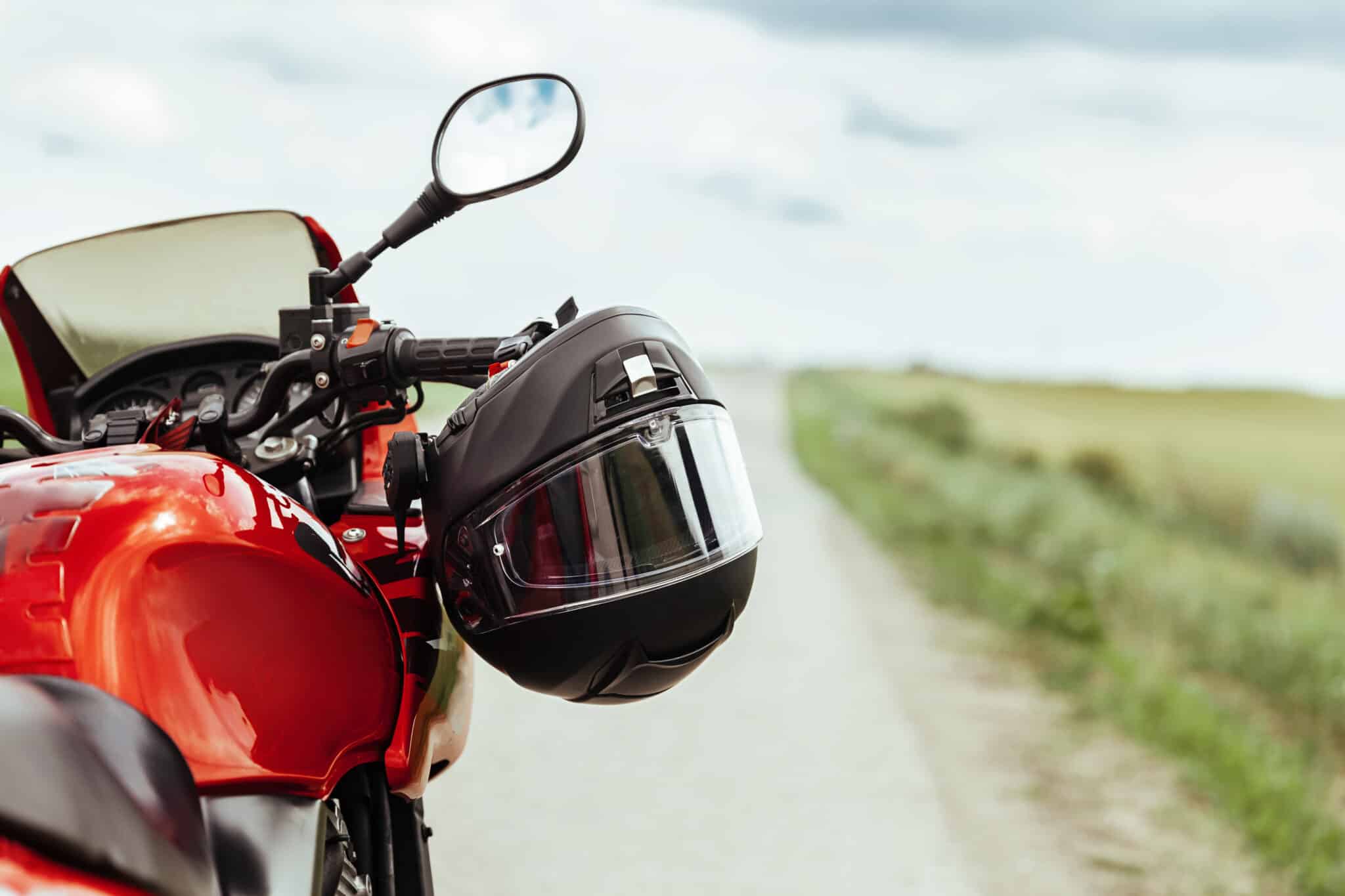
In Colorado, the law regarding helmets varies by age, but the physics of a crash do not. Wearing a DOT-approved helmet is the single most effective way to prevent traumatic brain injury. However, safety doesn’t stop at the head.
- Abrasion Resistance: High-quality leather or reinforced textiles protect against “road rash,” which can cause deep tissue damage.
- Joint Protection: Armor in the knees, elbows, and shoulders can be the difference between a bruise and a shattered joint. If you have suffered a “slide,” our
- Chiropractic Care: can help realign the spine after the jarring impact that often follows the initial fall.
2. Mountain-Specific Riding Skills
Colorado’s mountain passes require a different skill set than flatland riding.
- Engine Braking: Use your gears to manage speed on steep descents to prevent brake fade.
- Apex Management: Be wary of mid-corner gravel or “sand traps” left over from winter snow removal.
- The “Look-Through” Technique: Always look where you want the bike to go, especially in tight hairpins.
3. Mastering Situational Awareness
A common phrase among riders is “ride like you’re invisible.” In Colorado, drivers in larger SUVs and trucks often have blind spots that can completely swallow a motorcycle.
- Lane Positioning: Position yourself where you are most visible to the driver ahead of you, typically in the left or right third of the lane.
- Scanning for Left-Turners: The most common multi-vehicle motorcycle accident occurs when a driver turns left in front of an oncoming biker. Always watch the front tires of vehicles at intersections for signs of movement.
4. Visibility: Seeing and Being Seen
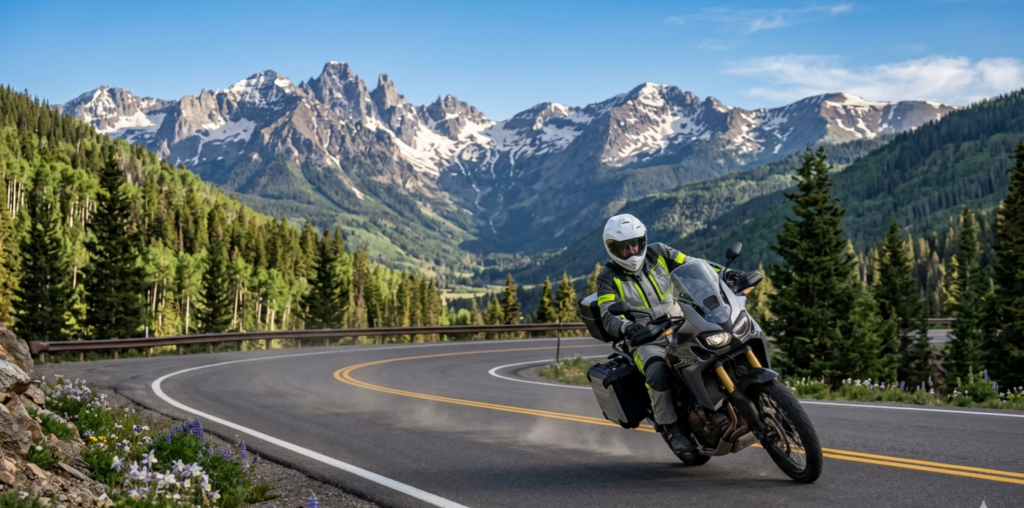
Even in the bright Colorado sun, a motorcycle can be hard to spot against the backdrop of the Rockies.
- High-Viz Accents: You don’t need to wear neon yellow from head to toe, but reflective strips on your helmet or jacket significantly increase your profile.
- Auxiliary Lighting: Adding LED driving lights can create a “triangular” light pattern that helps other drivers judge your distance and speed more accurately.
5. Respecting Colorado’s “Micro-Climates”
You can start a ride in 80-degree sunshine in Denver and be in a freezing rainstorm at the top of Loveland Pass 45 minutes later.
- Traction Loss: Rain on a hot road brings oil to the surface, making it incredibly slick.
- Wind Gusts: High-altitude riding often involves sudden lateral wind gusts that can push a light bike across lane lines. If you’ve had to “muscle” your bike through heavy winds, you may experience significant neck and shoulder tension. Our Massage Therapy is an excellent tool for releasing this “rider’s fatigue.”
6. The Necessity of Proactive Maintenance
A mechanical failure on a car is an inconvenience; on a motorcycle, it’s a catastrophe.
- The T-CLOCS Inspection: Before every ride, check Tires, Controls, Lights, Oil/Fluids, Chassis, and Stands.
- Chain/Belt Tension: Ensure your final drive is in peak condition to prevent power loss or wheel lockup during a climb.
7. Why Documentation is Critical After a Bike Crash
Because there is often a bias against motorcyclists in insurance claims, documentation is one of the most top safety tips for Colorado motorcyclists for financial health.
- Evidence Collection: Take photos of your gear, the bike’s position, and the road surface (looking for gravel or oil).
- Clinical Proof: Because our clinic helps patients navigate financial and legal challenges, we provide the objective medical data—such as range-of-motion tests and orthopedic assessments—needed to counter the “reckless biker” stereotype that insurance adjusters often use to devalue claims.
8. Physical Therapy for the Long Haul
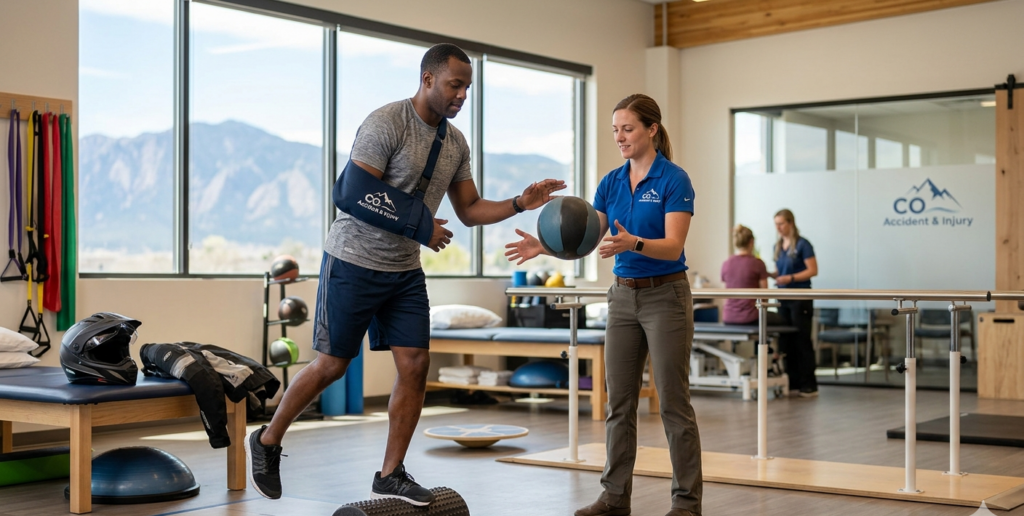
Recovering from a motorcycle accident often involves complex orthopedic injuries. Our Best Physical Therapy Services are tailored to the specific needs of riders, focusing on core strength and grip stability. We understand that “recovery” for a rider means getting back the strength and balance required to hold up a 500-pound machine and navigate a corner with precision.
9. Riding Sober and Focused
Colorado has strict DUI and DUID (Driving Under the Influence of Drugs) laws. Even legal substances can slow your reaction time. On a bike, a half-second delay in braking can be the difference between a “close call” and a trip to the hospital. Stay sharp, stay focused, and enjoy the ride with a clear head.
Get Back on the Road with Confidence Whether you need to recover from a recent incident or want to ensure your body is in peak condition for the riding season, our team is here for you. We provide the expert care and documentation that Colorado riders deserve.