
Collection Letters for Medical Bills After a Car Accident: How to Protect Your Credit and Peace of Mind
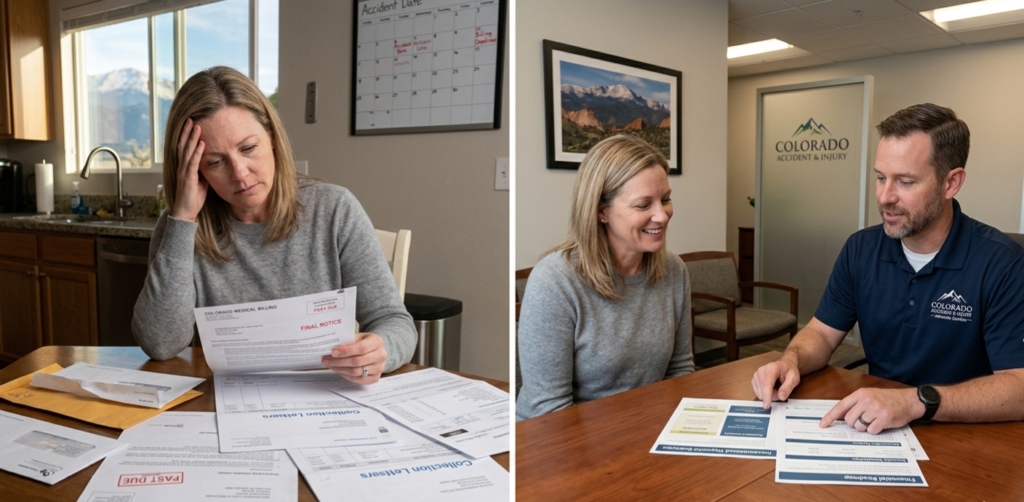
Receiving collection letters for medical bills after a car accident is a frustrating experience that often feels like being penalized for being a victim. You are already focused on recovering from your injuries, attending Best Physical Therapy Services, and managing the logistical fallout of a crash. When a sternly worded letter arrives in the mail threatening your credit score, it can create a level of stress that actually hinders your physical healing.
At Colorado Accident & Injury, we believe that no patient should be bullied by a billing department while they are in the middle of a legitimate insurance claim. Understanding why these letters are sent and how to respond strategically is the key to protecting your financial future.
1. Understanding the “Why” Behind the Letter
Medical providers often use automated billing systems. If a payment from an insurance company—whether it’s your MedPay or the at-fault party’s liability—isn’t received within a 30, 60, or 90-day window, the system may automatically move the account to a “collections” status. This doesn’t necessarily mean you have done anything wrong; it often means there is a “communication gap” between the provider and the insurance carrier.
2. The First Golden Rule: Do Not Panic
The sight of a collection notice can cause an immediate “fight or flight” response. However, a collection letter is not a court summons. Under the Fair Debt Collection Practices Act (FDCPA), you have specific protections. The first step to successfully managing collection letters for medical bills after a car accident is to maintain a calm, methodical approach. You have time to verify the debt and rectify the situation before it impacts your long-term credit history.
3. Verify the “Medical Paper Trail”
Before you make a payment or call a collector, you must verify that the bill is accurate. Billing errors are incredibly common in the high-volume environment of emergency rooms and diagnostic centers.
- Check the Date of Service: Does it match the date of your accident or subsequent Chiropractic Care?
- Verify the Codes: Sometimes a “duplicate bill” is sent for the same service.
- Check the Creditor: Ensure the medical provider listed is one you actually visited.
4. Activating Your Insurance “Shield”
In Colorado, your first line of financial defense is often your Medical Payments (MedPay) coverage. If you have this on your policy, it is designed specifically to pay these bills immediately, regardless of who was at fault. If you are receiving collection notices, it may be because the provider doesn’t have your MedPay information, or your carrier hasn’t finished processing the claim. Contact your insurance adjuster and provide them with the account number listed on the collection letter.
5. Effective Communication with Providers
Don’t ignore the provider. A simple phone call can often “freeze” the collection process. Inform the billing department that the bill is part of an active auto accident claim. Ask them to place the account on “Insurance Hold” while the claim is being settled. Most reputable medical groups will accommodate this if they see you are being proactive and communicative.
6. The Right to Dispute: Use It
If you believe the collection letter is for an amount already paid or for services you didn’t receive, you have the right to file a formal dispute. You must do this in writing within 30 days of receiving the notice.
Expert Tip: Send your dispute via certified mail with a return receipt. This creates a legal record that you challenged the debt, which can be vital if the agency tries to report it to a credit bureau.
7. Why Documentation is Your Best Defense
Because our clinic helps patients navigate financial and legal challenges, we emphasize the importance of the “Master Folder.” This folder should contain every bill, every Explanation of Benefits (EOB), and a log of every phone call you have with billing departments. Note the date, the time, and the name of the person you spoke with. This organization makes it much easier for a personal injury attorney to assist you if the collections process becomes aggressive.
8. Negotiating Settlements and Payment Plans
If a bill is legitimate but your insurance has been exhausted, don’t ignore the debt. Many providers are willing to settle for a lower amount if paid in a lump sum, or they will set up a zero-interest payment plan. Getting these medical bills resolved is a key part of your total Pain Management strategy—reducing financial stress is essential for lower cortisol levels and faster physical recovery.
9. When to Call in the Experts
If you are being harassed by collectors or if the medical bills are mounting faster than you can manage, it is time to consult an attorney. A skilled lawyer can send “Letters of Protection” to medical providers, essentially promising that the bills will be paid out of the final legal settlement. This stops the collection letters immediately and allows you to focus 100% on your rehabilitation.
10. Staying Proactive for Future Health
The best way to handle collection letters for medical bills after a car accident is to stay ahead of them. At Colorado Accident & Injury, we work closely with our patients to ensure that billing is handled correctly from day one. We understand the Colorado insurance landscape and help you ensure that your documentation is always ready for submission, reducing the likelihood of a “billing surprise” later on.
Focus on Your Recovery, Not Your Debt Don’t let medical billing stress derail your journey to health. Our team is here to support your physical healing and provide the clarity you need to navigate the financial aftermath of an accident.