Dangerous Effects on Driving with Painkiller Abuse: The Hidden Risks of Masking Your Pain
Pain is our body’s primary communication tool. Whether it is a dull ache or a radiating, throbbing sensation, it serves as a critical signal that something is wrong. Following a motor vehicle accident, the jolt of a collision frequently causes neck, knee, shoulder, and back injuries. However, many victims do not notice this pain immediately, or they choose to mask it with over-the-counter or prescription medications. If you are one of the millions of Americans who prefer to “numb” the discomfort, you must understand the dangerous effects on driving with painkiller abuse and the long-term damage these drugs can inflict on your body.
At Colorado Accident & Injury, our multidisciplinary team helps patients navigate financial and legal challenges while guiding them toward recovery paths that prioritize organ health and long-term sobriety over temporary chemical masks.
The Cycle of Dependency: Addiction and Tolerance
Many common painkillers, especially those containing narcotics or steroids, are inherently addictive. These drugs can lead to physiological dependency and painful withdrawal symptoms.
The Danger of Drug Tolerance
When you utilize painkillers for an extended period, your body develops a condition known as drug tolerance. This weakens the impact of the medication, forcing you to increase the dosage to achieve the same level of relief. This escalation is a direct path to addiction and can severely reduce the quality of your medical treatment, as your body becomes desensitized to standard care.
Systemic Damage: Beyond the Injury
Abusing painkillers does more than just cloud your mind; it can cause irreversible damage to your vital organs and systems.
- Cardiovascular Risks: Research indicates that regular painkiller users have a 40% higher chance of developing cardiovascular disorders, such as hypertension or cardiac arrest. Common NSAIDs can also significantly worsen existing heart conditions.
- Gastrointestinal Complications: Long-term use can irritate the delicate lining of the stomach. This often results in indigestion, gastritis, stomach ulcers, and potentially fatal gastrointestinal bleeding.
- Liver and Kidney Damage: Many analgesics contain ingredients that are toxic to the liver or reduce blood flow to the kidneys. Even in small doses, these drugs can worsen infections and cause irreversible organ failure.
The Risks on the Road
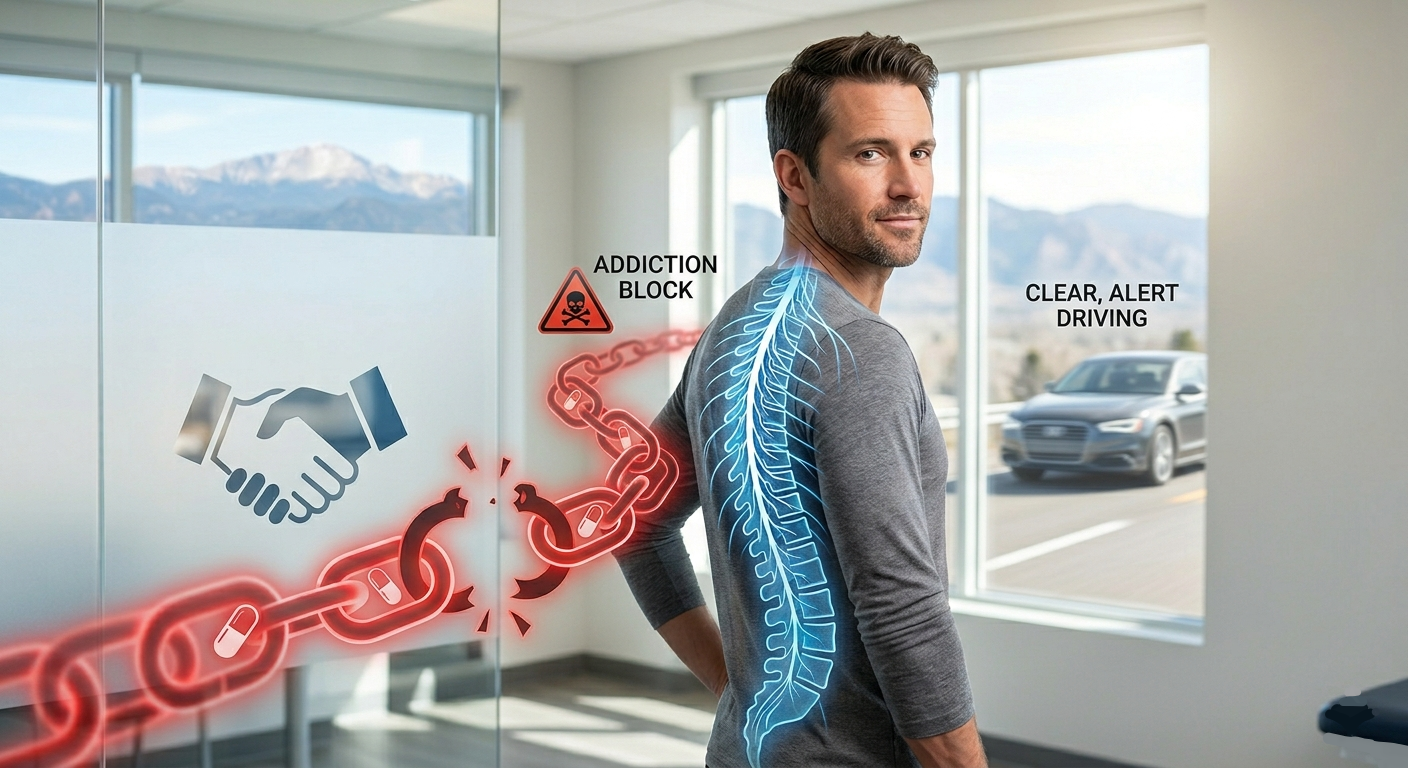
The dangerous effects on driving with painkiller abuse extend to everyone on the road. These medications can cause:
- Decreased Mental Alertness: Slowing reaction times during critical driving moments.
- Drowsiness: Increasing the risk of “nodding off” behind the wheel.
- Impaired Judgment: Altering your perception of speed and distance.
Finding a Safer Path to Relief
Ignoring pain or masking it with chemicals can be fatal. The most effective way to eliminate pain is to address its root cause through professional intervention.
By integrating Chiropractic Care to realign the spine and Best Physical Therapy Services to strengthen injured tissues, our patients can achieve a high quality of life without the risks of pharmaceutical abuse. Our Medical Pain Management specialists focus on interventional techniques that provide relief without the systemic toxicity of oral narcotics.
Final Thoughts: Listen to Your Body
Your pain is a signal, not a nuisance to be silenced. By visiting our pain management doctors in Colorado Springs, you can address the true cause of your discomfort and avoid the catastrophic health consequences associated with drug dependency.
Choose Health Over Habit Get to the root of your pain with our expert, non-addictive treatment plans.