Why a Pain Doctor? The Critical Role of a Pain Management Specialist in Post-Crash Recovery
Following a motor vehicle collision, you may find yourself dealing with an overwhelming amount of physical discomfort. However, the nature of post-crash trauma is rarely straightforward. Your pain can be highly specific and localized, or it can feel vague, deep-seated, and generalized. It may remain completely constant throughout the day, or it can come and go at regular or entirely random intervals.
These highly varied pain scenarios routinely provide accident victims with convenient excuses to avoid seeking professional medical care.
“I don’t even know why it hurts,” you might say, expressing embarrassment for physical discomfort you do not fully understand.
“Why see a doctor? I already know what’s wrong with me,” is another common rationalization.
Some patients assume that because their discomfort fluctuates—thinking, “It comes and goes, and it’s not hurting right now, so seeing a doctor wouldn’t move this problem forward”—they should just wait it out. Conversely, others sink into a state of resignation, believing, “It constantly hurts, so there’s obviously nothing that can be done about it; it never gets any better.”
At Colorado Accident & Injury, our multi-disciplinary medical team helps patients navigate financial and legal challenges while providing advanced Medical Pain Management options. We know that pain is a complex neurological and physical puzzle. Consulting a dedicated pain management specialist allows you to move past guesswork and begin a scientifically validated, targeted recovery plan.
The Evolution of Pain Medicine: Merging Science with Custom Care
Historically, pain medicine is a relatively late-blooming medical specialty. Because it is not an “old-school” field of medicine established centuries ago—like pediatrics or cardiology—it can occasionally confuse patients who are unfamiliar with its scope. However, several major cultural and technical advancements over recent decades directly gave birth to the modern pain management physician.
The Pharmaceutical Shift and Dependency Awareness
Significant advancements within the pharmaceutical industry vastly expanded the options available for reducing severe physical discomfort. This rapid expansion created an urgent clinical need for specialized doctors who understood the exact biochemical mechanisms of pain medications. Over time, this evolved to include specialists who knew how to carefully manage patients with a deep understanding of the risks, possibilities, and long-term repercussions of opioid and narcotic addictions.
The Integration of Holistic, Global Therapies
Simultaneously, massive improvements in global communication effectively made the planet feel smaller. This hyper-connectivity vastly increased clinical awareness surrounding holistic, alternative options for pain management. Modern patients made it clear that they did not want their doctors to leave effective, healthful options off the table.
As a result, forward-thinking physicians began searching the globe to broaden and strengthen modern responses to trauma. The goal became clear: let us utilize time-tested, ancient therapeutic traditions, but let us add rigorous modern science to the mix so we can deploy these methods in the most effective, optimized way possible.
The Open-Minded Spectrum of Modern Pain Care
Modern pain doctors are forced to be exceptionally open-minded physicians. They must adapt to modern times with scientific diligence while maintaining a deep appreciation for tried-and-true physical remedies:
- Targeted Home and Clinical Modedalities: Incorporating precise thermal therapies (ice packs and warm compresses), structured rest, and targeted stress reduction.
- Clinical Manual Therapies: Utilizing specialized medical massage to relax hyper-toned, guarding muscles and improve blood flow.
- Adaptation and Longevity: When certain types of severe structural trauma are incredibly difficult to eliminate entirely, the clinical focus shifts toward helping the patient build long-term physical resilience, maximizing their daily function despite the absence of an immediate cure.
Bypassing the Traps of Internet Self-Diagnosis
The modern internet is a wonder of wonders, but it is also an unregulated universe where separating clinical facts from clever digital marketing can be exceptionally tricky. This environment frequently leads patients to self-diagnose their post-accident injuries incorrectly. Believing an erroneous online conclusion can cause a patient to react with unnecessary panic or, worse, pursue an unsafe treatment path.
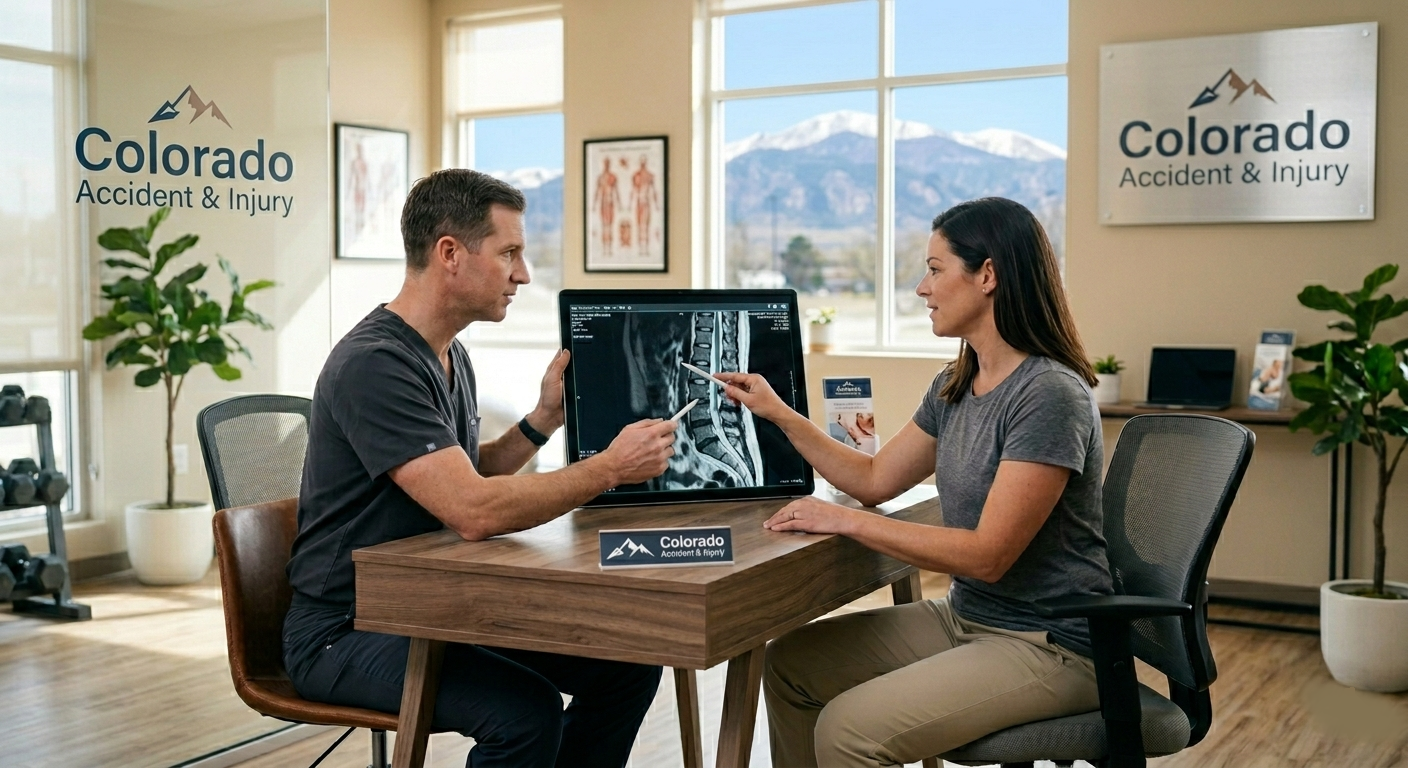
A certified pain management specialist never relies on a convenient guess or an internet forum. They are highly trained, board-certified physicians who begin every single case with a rigorous, objective diagnostic process. Modern, evidence-based doctoring practices are front and center in pain management. This includes deploying advanced diagnostic imaging techniques (such as digital X-rays and MRI scans) alongside proper laboratory analysis of tissue, blood, or urine samples to locate the exact source of your suffering. Pain management is not doctoring in the dark or working with one hand tied behind the physician’s back.
Protecting Your Personal Injury Claim with Forensic Records
Seeking prompt care from an integrated pain team is just as vital for your legal protection as it is for your physical recovery. Personal injury lawyers and insurance adjusters evaluate post-crash medical charts with immense scrutiny.
If your medical records show a long gap between your accident and your first diagnostic exam, or if you attempt to self-treat your injuries using unverified online methods, opposing insurance companies will frequently argue that your injuries were minor or entirely unrelated to the crash. Our specialized team meticulously documents your diagnostic imaging findings, exact pain scores, and therapeutic progress from day one, providing your legal counsel with the ironclad forensic evidence needed to push your insurance claims smoothly through complex administrative hurdles.
Conclusion
If you are in pain following a collision, it is time to punch through your trepidations and make the call. A dedicated pain specialist can provide the precise answers, non-narcotic options, and targeted therapies needed to literally change your life. If you are involved in a collision, always prioritize calling 911 or emergency services first to guarantee immediate scene safety. Once your scene safety is fully secured, make your very second call to Colorado Accident & Injury in Colorado Springs at 719-917-7000 to schedule an immediate diagnostic appointment with our fourteen-member expert team. Let our specialists eliminate the guesswork and guide you safely back to a pain-free, active lifestyle.
Stop Guessing. Target the True Source of Your Pain. Do not let confusing or fluctuating post-crash symptoms keep you from getting professional care. Contact our unified multi-discipline clinic today for advanced diagnostics, specialized pain treatments, and expert injury documentation.