Understanding Pedestrian Rights: A Guide to Safety and Accountability on Colorado Streets
Understanding pedestrian rights is a critical component of navigating any urban or suburban environment, but it takes on a specific importance in a state as active as Colorado. Whether you are walking to a trailhead in Boulder, commuting through downtown Denver, or taking a stroll in Colorado Springs, the interaction between human foot traffic and multi-ton vehicles is a daily occurrence. While the law is designed to protect the most vulnerable road users—pedestrians—it also places specific responsibilities on those walkers to ensure the flow of traffic remains safe for everyone.
At Colorado Accident & Injury, we often treat victims of pedestrian-vehicle collisions. These accidents are rarely “minor.” Because the human body has zero protection against an impact with a car, the resulting injuries are often life-changing. Our mission is to provide the expert medical care you need while our documentation helps patients navigate financial and legal challenges that follow.
1. The Foundation of the Law: Who Truly Has the Right of Way?
The most misunderstood aspect of understanding pedestrian rights is the concept of the “right of way.” In Colorado, while drivers are expected to yield to pedestrians in most circumstances, the right of way is not an absolute “shield” that allows a walker to ignore traffic.
- Marked Crosswalks: Pedestrians have a clear right of way. Drivers must stop to allow a pedestrian to cross once they have entered the striped area.
- Unmarked Crosswalks: Every intersection is considered a crosswalk, even if there are no painted lines. Drivers are still legally required to yield to walkers at these corners.
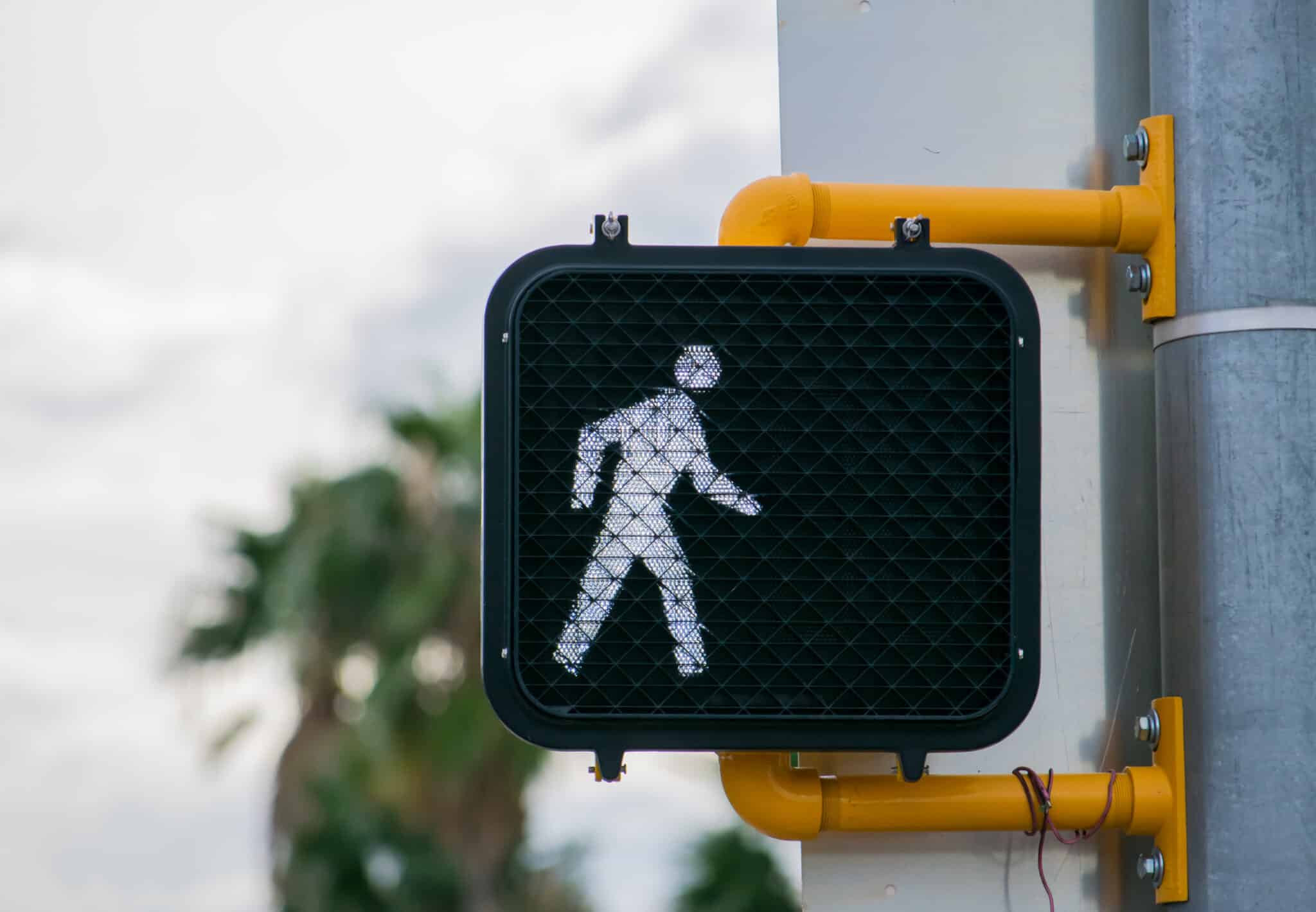
- Signalized Intersections: If there is a “Walk/Don’t Walk” signal, the pedestrian must obey it. Stepping into the street when the “Don’t Walk” sign is flashing is a violation of traffic law and can shift liability in the event of an accident.
2. The Danger of “Shared Responsibility”
Colorado operates under a “modified comparative negligence” rule. This means that in a pedestrian accident, the insurance company will look for ways to blame the walker.
- Distracted Walking: Just as distracted driving is a hazard, walking while looking at a phone or wearing noise-canceling headphones can be used to argue that the pedestrian was partially at fault.
- Visibility Issues: Walking at night in dark clothing or darting out from between parked cars are common factors that insurance adjusters use to devalue a claim.
3. Clinical Realities: The Impact of a Collision
When a vehicle hits a pedestrian, there is usually a “double impact.” The first is the primary contact with the car; the second is the contact with the pavement.
- Lower Body Trauma: Knees, hips, and ankles often take the brunt of the initial hit. Our Best Physical Therapy Services are essential for regaining mobility and strength in these weight-bearing joints.
- Spinal Jarring: Even a low-speed bump can cause the head to whip, leading to severe cervical misalignments. We use Chiropractic Care to assess and treat these “hidden” structural injuries before they lead to chronic nerve pain.
4. Navigating the “No Sidewalk” Scenario
Colorado has many areas, especially near hiking trails or rural roads, where sidewalks are non-existent. Understanding pedestrian rights in these zones is vital for survival.
- Face the Traffic: You should always walk against the flow of traffic (on the left side of the road). This allows you to see vehicles coming toward you and take evasive action if a driver is drifting or distracted.
- Single File: If walking in a group, stay in a single line as close to the shoulder as possible.
5. Proving Liability in a Pedestrian Claim
Proving that a driver was at fault requires meticulous evidence. Unlike car-to-car accidents where paint transfers and dent patterns tell the story, pedestrian accidents often lack physical “vehicle-on-vehicle” evidence.
- Witness Statements: Because walkers are often hit in busy areas, third-party witnesses are crucial.
- Surveillance Footage: We encourage victims to look for doorbell cameras or business security feeds near the scene.
- Medical Proof: At Colorado Accident & Injury, we provide the detailed clinical narratives that link your specific injuries to the mechanics of the accident, making it harder for insurance companies to deny the severity of the impact.
6. Recovering from “Near-Miss” Trauma
Sometimes, a pedestrian isn’t hit, but they are forced to jump out of the way, resulting in a fall or a severe strain. The adrenaline and shock of a near-miss can cause intense muscle “guarding” and anxiety. We offer Massage Therapy to help calm the nervous system and release the physical tension that follows a high-stress event on the road.
7. The Complexity of Insurance for Walkers
Many pedestrians don’t realize that their own auto insurance (specifically MedPay or UIM coverage) often applies even if they were walking and not driving at the time of the hit. This “hidden” coverage can be a lifesaver when hospital bills start arriving. Our administrative team helps you identify these potential sources of funding so you can focus entirely on your physical rehabilitation.
8. Long-Term Rehabilitation and Pain Management
Pedestrian injuries often involve long recovery timelines. Whether it is healing from a “degloving” injury, a fractured pelvis, or a concussion, the path back to normal walking can be difficult. Our Pain Management specialists work alongside our therapists to ensure that your pain levels stay controlled throughout your recovery, allowing you to participate fully in the exercises needed to regain your independence.
Walk Toward a Healthier Future If you have been injured while walking, you deserve a team that understands your rights and your recovery needs. At Colorado Accident & Injury, we provide the comprehensive care and advocacy required to get you back on your feet.