
Symptoms of Delayed Accident Injuries You Must Never Ignore: The Danger of Silent Trauma
Motor vehicle accidents are traumatic events that take a significant toll on our mental health. Often, the desire to put the event behind us is so strong that we overlook the signals our bodies are sending—especially when there is no visible blood or obvious injury. However, in your haste to move on, you may be missing deadly signs of internal damage. Even a minor impact can be life-threatening if critical warning signs are ignored.
At Colorado Accident & Injury, our expert team helps patients navigate financial and legal challenges while providing the advanced diagnostics needed to identify hidden trauma. Understanding the symptoms of delayed accident injuries you must never ignore is the first step in ensuring your long-term survival and health.
What is a Delayed Injury?
A delayed injury is one that is not immediately noticeable following a collision. It may take several hours, or even several days, before the physical signs manifest. The delay does not make the injury less dangerous; in fact, it can make it more so, as the damage continues to progress without intervention.
The primary reasons for this delay are shock and adrenaline. During an accident, the brain is overwhelmed with processing information, often masking pain signals that would otherwise be obvious. A physician can only diagnose based on what is visible at the time of consultation, which is why ongoing monitoring is essential.
Critical Symptoms You Must Never Ignore
If you have been in an accident, try to clear the “fog” of shock by discussing the event with a friend or family member. This can help you focus on the subtle signals your body is sending. Watch closely for these red flags:
1. Headaches, Vision Changes, and Dizziness
New-onset headaches or blurry and double vision are major warning signs. These can indicate:
- Concussions: Traumatic brain injuries that require immediate rest and monitoring.
- Blood Clots: Life-threatening blockages in the brain that may develop hours after an impact.
- Whiplash: Severe strain on the neck and upper spine.
2. Sharp or Throbbing Back Pain
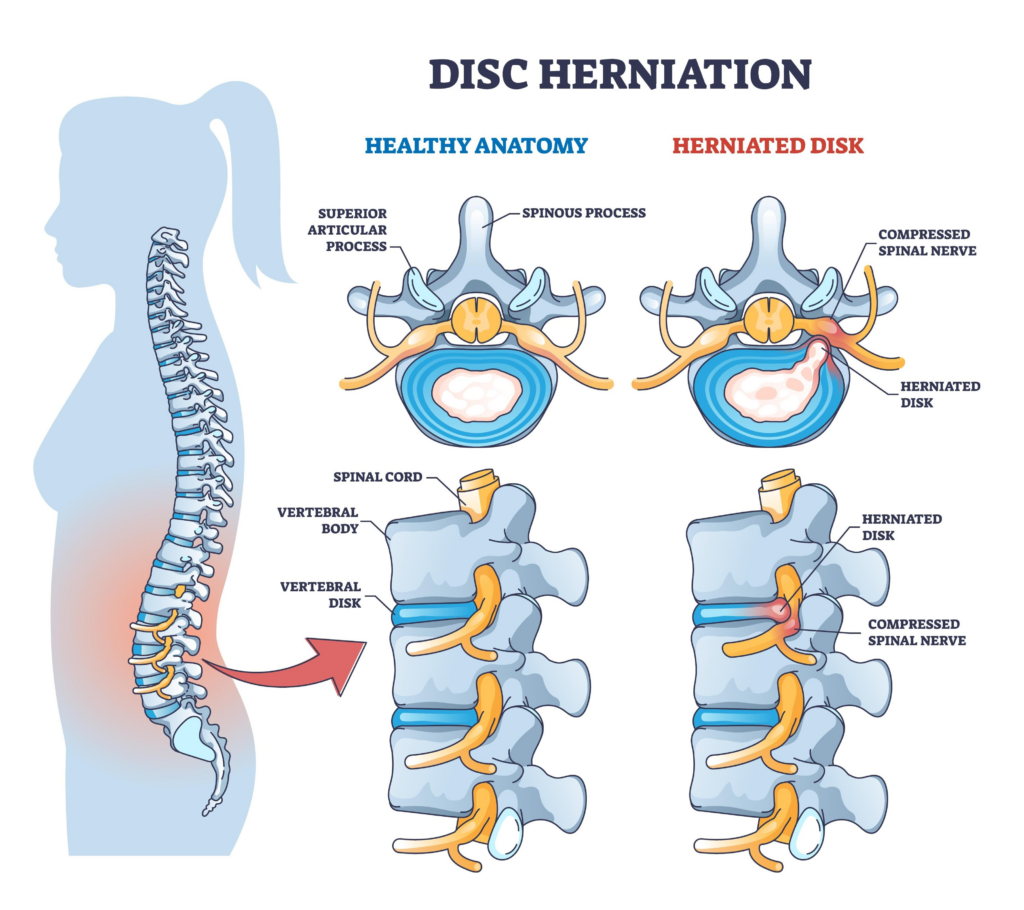
Pain in the back after an accident should never be “managed” on your own. Self-treatment or pushing through the pain can lead to permanent damage. Sharp aches may be a sign of:
- Soft Tissue Injury: Tearing of the muscles or ligaments.
- Herniated Discs: Discs in the spine that have been displaced or ruptured by the force of the crash.
- Spinal Injury: Direct trauma to the vertebrae.
3. Bruising That Expands or Changes Color
If you notice a bruised area that grows—particularly on the chest, back, or abdomen—get help immediately. This is a primary indicator of internal bleeding or ruptured blood vessels. Home remedies like ice packs will not resolve this; it requires professional medical intervention to stop the internal hemorrhage.
4. Sudden Tingling or Numbness
A “pins and needles” sensation or loss of feeling in your extremities is a neurological warning sign. This often points to:
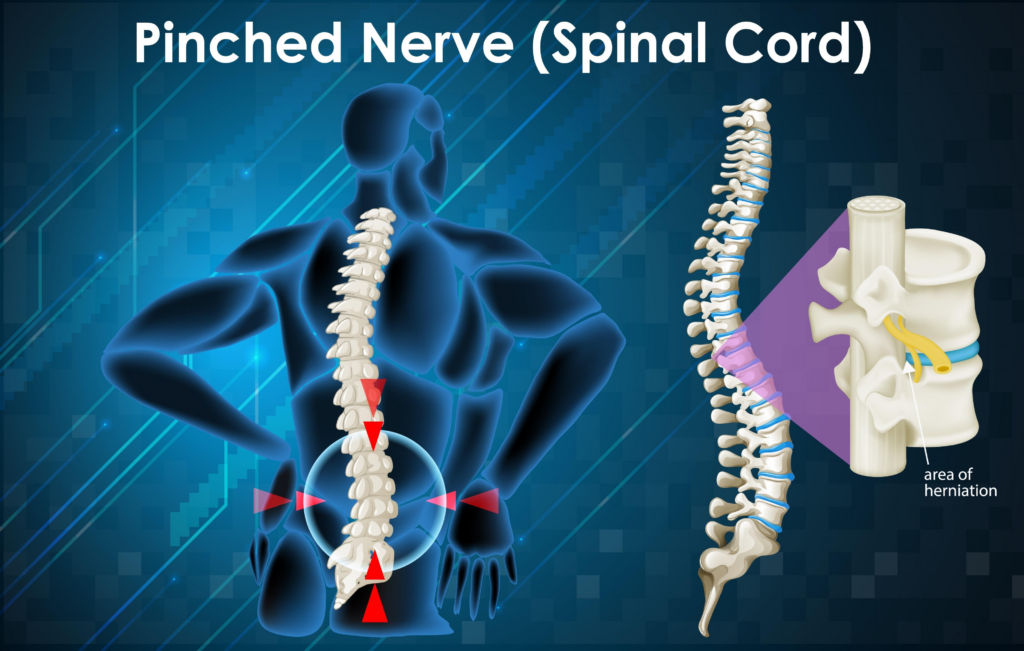
- Pinched Nerves: Compression caused by inflammation or displaced bone.
- Herniated Discs: Putting direct pressure on the spinal nerves.
The Role of Professional Pain Management
Any symptom, no matter how minor it seems, is worth investigating after an accident. At Colorado Accident & Injury, we provide state-of-the-art treatment procedures for those experiencing delayed trauma. By combining Chiropractic Care with Medical Pain Management, we can address the root cause of your symptoms before they lead to chronic disability.
Final Thoughts: Your Health is Worth the Wait
Don’t rush to close the chapter on your accident until you are certain your body is truly healed. By staying vigilant for the symptoms of delayed accident injuries you must never ignore, you protect your future mobility and well-being.
Don’t Wait for the Pain to Become Permanent
Our Colorado Springs center specializes in identifying and treating “silent” accident injuries.