
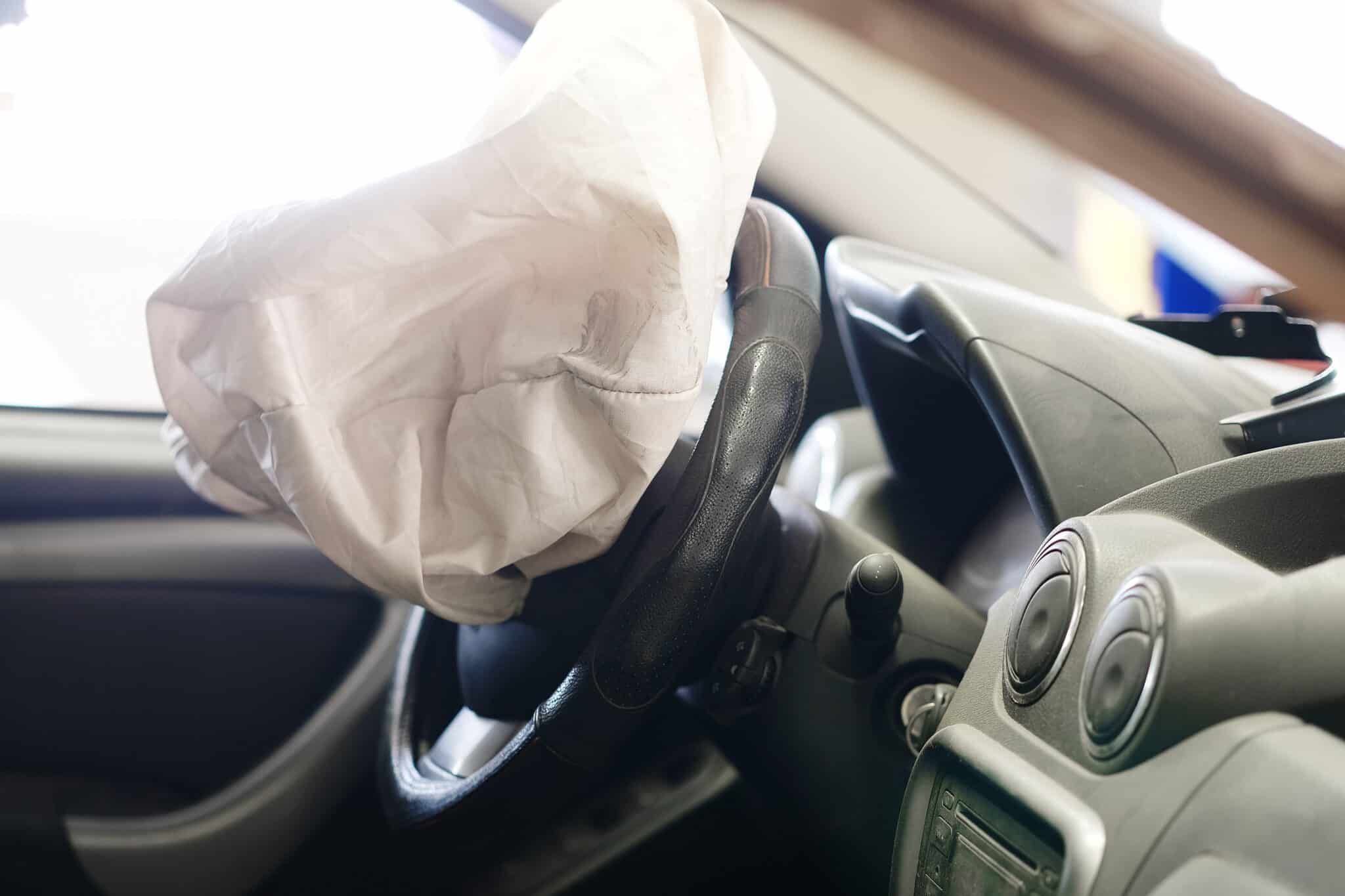
Can Airbags Cause Injuries in a Car Accident?: Balancing Life-Saving Protection with Potential Risks
Can airbags cause injuries in a car accident? While these highly engineered safety features are a testament to the advanced technologies developed to protect us, the very devices designed to save our lives can, in specific circumstances, become a source of physical trauma. At the forefront of automotive safety, the airbag has significantly reduced the occurrence and severity of fatalities in collisions. However, every driver must understand that the rapid deployment of these devices carries inherent risks that may require professional medical intervention.
At Colorado Accident & Injury, our multidisciplinary team helps patients navigate financial and legal challenges by identifying and documenting the specific injuries—both obvious and latent—that can arise from airbag deployment.
1. Understanding the Mechanics of Airbag Deployment
Before delving into the potential for injury, it is crucial to understand the violent physics involved in a typical deployment.
- Rapid Deceleration: Sensors detect an immediate stop and signal the car’s computer system.
- Explosive Inflation: The system triggers an explosive charge, inflating the bag in milliseconds to create a cushion.
- Variable Force: Deployment force often depends on the severity of the crash; for example, passenger airbags may deploy with less force if they detect a smaller occupant.
2. The Statistics: A Lifesaving Legacy
According to the National Highway Traffic Safety Administration (NHTSA), frontal airbags saved over 50,000 lives between 1987 and 2017. When used in combination with seatbelts, they form a comprehensive restraint system that prevents occupants from colliding with the steering wheel, dashboard, or windshield. Despite these successes, the force required to save a life can sometimes cause secondary injuries.
3. Common Airbag-Related Injuries
Can airbags cause injuries in a car accident? The most common scenarios involve the sheer force of deployment, the inhalation of chemical byproducts, or improper seating positions.
Blunt Force Trauma
Airbags deploy at speeds of up to 200 miles per hour. This rapid inflation can lead to:
- Facial and Chest Bruising: The impact against the face or chest can cause significant soft tissue damage.
- Whiplash and Spinal Misalignment: The force can snap the neck backward, necessitating Chiropractic Care to realign the cervical spine.
- Fractures: In some cases, the force can break small bones in the face, ribs, or arms.
Chemical and Respiratory Irritation
- Sodium Azide: This chemical is used to generate the gas that inflates the bag. If the bag ruptures, these chemicals can cause skin burns.
- Inhalation Risks: The fine powder released during deployment can irritate the respiratory system, particularly for those with asthma. Utilizing Massage Therapy can often help relax the secondary respiratory muscles that become strained during these events.
4. Dispelling Common Airbag Myths
There are several misconceptions that can lead to confusion about automotive safety:
- Myth: Airbags deploy for no reason. In reality, they are the result of carefully tested sensors designed to react only to specific impact intentions.
- Myth: Airbags are harmful to everyone. While they carry risks, they are inherently a critical aspect of safety; the risks only increase when they are used improperly or malfunction.
- Myth: They don’t work in low-speed crashes. Airbags are designed to work exactly when the computer determines the force of impact exceeds the seatbelt’s ability to protect the occupant.
5. Essential Guidelines for Preventing Airbag Injuries
Prevention is the best approach to minimizing risk. Every passenger should follow these safety protocols:
- Seat Belt Usage: Always wear your seat belt correctly to ensure you are in the optimal position for airbag interception.
- The 12-and-Under Rule: Children should always be properly restrained in the back seat.
- Seating Distance: Maintain an appropriate distance from the steering wheel or dashboard to avoid being hit by the bag during its “explosive” phase.
- Rear-Facing Seats: Never place a rear-facing car seat in the front passenger seat.
- Clear the Dashboard: Remove objects from the dashboard that could become projectiles during deployment.
6. The Role of Manufacturers and Recalls
Car manufacturers have a strict duty to ensure airbags are installed correctly. However, malfunctions do occur, such as the infamous Takata recall that affected millions of vehicles. Modern manufacturers are constantly improving safety through multi-stage deployment and advanced sensors to reduce the impact on occupants.
7. Holistic Recovery After Airbag Trauma
If you have experienced an airbag deployment, your body has absorbed a significant amount of energy.
- Rehabilitating Function: Best Physical Therapy Services are essential for restoring movement in the neck, shoulders, and chest following blunt force impact.
- Neurological Health: Because of the high-speed nature of these accidents, a neurological and chiropractic evaluation is necessary to ensure no “hidden” injuries were sustained.
8. Why Colorado Accident & Injury?
We understand that while an airbag may have saved your life, you are still left with the physical aftermath of a traumatic event. Our experienced team of chiropractors and therapists specializes in treating the unique profiles of car accident injuries. We provide the personalized treatment plans you need to get back on the road safely.
9. Protecting Your Future Self
Can airbags cause injuries in a car accident? Yes, but being informed is the first step in mitigating those risks. By understanding how to position yourself and when to seek medical help, you can ensure that these life-saving devices do their job without leaving you with long-term complications.
Don’t Ignore the Signs of Airbag Trauma If your airbags deployed, your body has undergone a major physical event. At Colorado Accident & Injury, we are here to help you heal correctly and safely. Contact us today to schedule your evaluation and ensure your recovery is handled by the experts in accident care.