6 Ways Physical Therapy Can Relieve Your Pain: A Multi-Faceted Approach to Natural Healing
Everyone experiences physical pain at some point in their life, but the individual perception, intensity, and location of that discomfort are completely unique to each person. Whether you are dealing with chronic lower back soreness from a sedentary lifestyle, structural stiffness from working remotely, or complex trauma from a sudden motor vehicle collision, you do not have to rely indefinitely on numbing medications. Non-invasive physical medicine offers a highly effective, customizable pathway to true structural recovery.
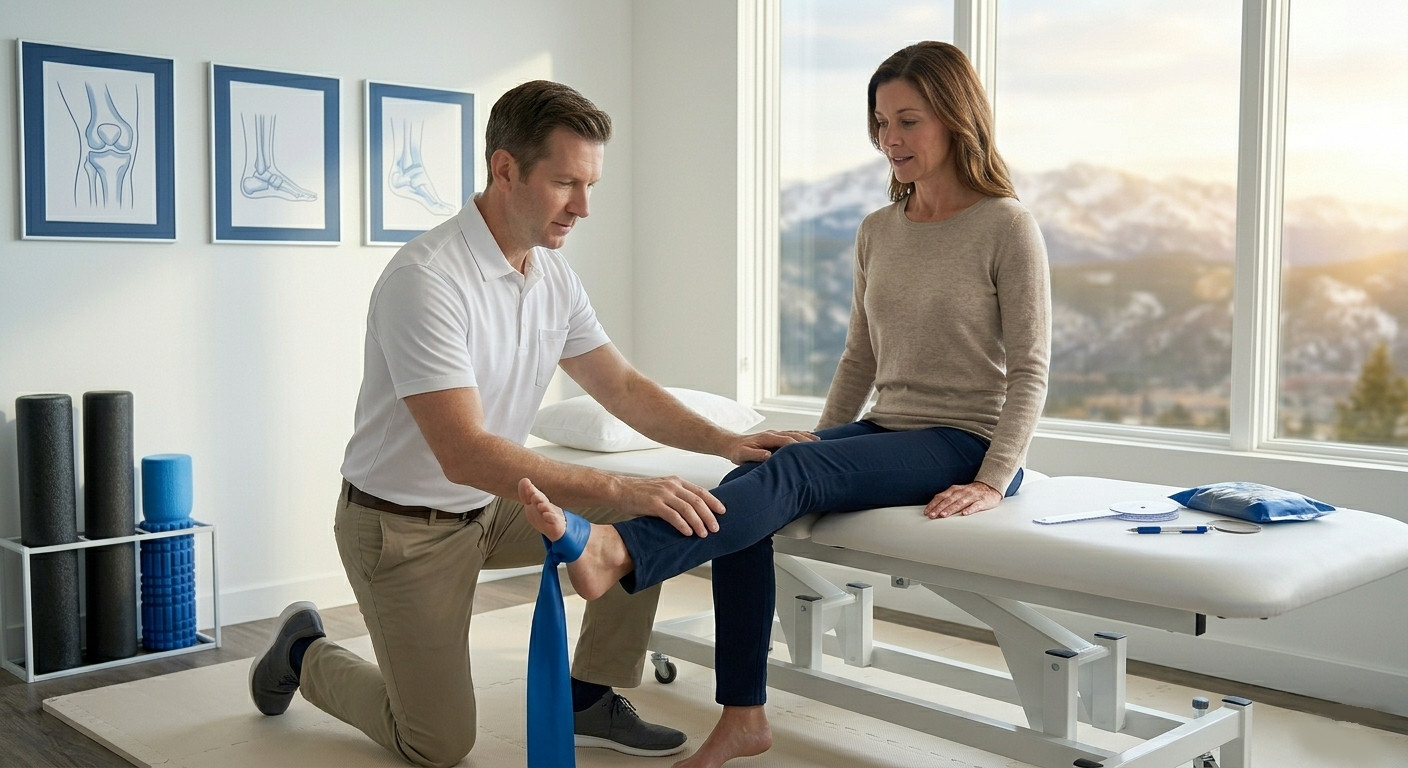
At Colorado Accident & Injury, our multi-disciplinary medical team helps patients navigate financial and legal challenges while providing advanced Medical Pain Management options. Tailoring an active rehabilitation plan to your specific musculoskeletal needs proves that targeted physical therapy can relieve your pain while safely restoring your mobility, strength, and long-term vitality.
Here are six clinically proven methods physical therapists leverage to alleviate localized and widespread body pain:
1. Targeted Stretching Exercises
Stretching involves mild, highly controlled movements that target tight or restricted soft tissues.
- The Therapeutic Value: When muscles and tendons become shortened due to injury or prolonged immobility, they pull your joints out of alignment and create localized pressure.
- The Result: Clinical stretching drastically enhances your overall flexibility, elongates compressed tissues, and releases structural tension, providing immediate and lasting relief from many types of chronic pain.
2. Progressive Strengthening Exercises
To achieve long-term relief, it is absolutely essential to develop robust muscle strength directly around the specific area where your discomfort originates.
- Stabilizing Vulnerable Joints: For example, chronic knee pain can frequently be relieved to a great degree by systematically strengthening the surrounding quadriceps and hamstring muscles.
- The Result: Building up these stabilizing muscle groups alleviates excess mechanical stress from damaged cartilage and irritated joint capsules, allowing your body to distribute physical loads evenly.
3. Customized Cardiovascular Exercises
For certain types of persistent or widespread discomfort, engaging in targeted cardiovascular exercises is highly beneficial.
- Systemic Healing: Controlled aerobic conditioning keeps your body in peak physical shape, improves systemic circulation, and triggers the natural release of endorphins—the body’s organic pain relievers.
- A Crucial Boundary: Because unguided exertion can aggravate a hidden injury, only a licensed physical therapist can safely prescribe the exact intensity and duration of cardio exercises that are suitable for your specific diagnosis.
4. Low-Impact Water Exercises
For individuals dealing with severe joint degeneration, advanced age, or acute post-crash trauma, traditional high-impact floor exercises may be too painful or unsafe.
- The Hydrotherapy Edge: Water or pool exercises serve as an exceptional alternative. Aquatic therapy allows you to simultaneously harvest all the metabolic benefits of regular exercise while leveraging the natural buoyancy of water.
- The Result: The water safely supports your body weight, taking the pressure off your spine and joints so you can rebuild your range of motion completely pain-free.
5. Strategic Application of Ice
It sounds incredibly simple, but the tactical application of cryotherapy is a highly effective clinical tool.
- Calming Acute Trauma: Applying ice is highly effective at constricting localized blood vessels, which rapidly reduces the painful swelling, fluid retention, and cellular inflammation associated with fresh, acute injuries.
6. Controlled Thermal Heat Therapy
While ice is meant to calm a fresh injury, targeted heat therapy is engineered to soothe deeper, ongoing muscular restrictions.
- Relaxing Tight Tissues: Applying heat directly relaxes tight muscles, dissolves painful cramps, and relieves severe muscle spasms.
- Boosting Circulation: The thermal energy stimulates blood flow to the area, flooding the damaged tissues with oxygen and vital nutrients to accelerate the natural cellular healing process.
The Power of Coordinated Physical Medicine
While physical rehabilitation utilizes active movement to rebuild your muscles and joints, pairing this discipline with hands-on spinal care can dramatically accelerate your recovery:
- Best Physical Therapy Services: A physical therapist mathematically documents your baseline limitations, designs your exercise protocols, and ensures you maintain flawless form to prevent reinjury.
- Chiropractic Care: Gentle, manual adjustments realign the spinal vertebrae, removing mechanical compression from pinched nerves and relaxing the rigid muscle guarding that often limits your ability to exercise effectively.
Conclusion
It may be obvious, but it is important to discuss any and all pain relief and pain management techniques with your doctor and physical therapist before starting any exercise routine. Attempting to push through severe structural damage without a professional evaluation can easily worsen an undiagnosed soft-tissue tear or joint misalignment. If you are ready to reclaim a life free of physical limitations, contact our specialized Colorado Springs facility today at 719-917-1000 to build your personalized, multi-disciplinary healing plan.
Reclaim Your Active Lifestyle Naturally. Consult our integrated physical therapy and sports medicine team today to discover a custom, drug-free path to lasting pain relief.