Life Saving Steps to Take Before an Accident: Proactive Strategies for Every Driver
Accidents are, by definition, unforeseen occurrences. Every year, millions of people in the United States are involved in road collisions that range from minor fender-benders to fatal tragedies. It is a common misconception that accidents only happen to the “careless” or “reckless”. In reality, apart from your own expertise as a driver, there are countless external variables—weather, road conditions, and the behavior of others—that determine the outcome of a trip. However, experts suggest that taking specific life saving steps to take before an accident can dramatically reduce the physical damage to survivors and streamline the recovery process.
At Colorado Accident & Injury, our dedicated team helps patients navigate financial and legal challenges while providing the integrated care needed to recover when the unthinkable happens.
1. Cultivating Responsible Driving Habits
The most effective way to manage an accident is to prevent it from occurring in the first place. Every time you sit behind the wheel, you assume a level of risk, and being a responsible driver is your first line of defense.
- The Zero-Tolerance Rule: Never drive if you are tired, sleepy, distracted, or under the influence of alcohol. These factors significantly impair your reaction time and decision-making capabilities.
- Passenger Safety: Just as you shouldn’t drive impaired, you should never get into a vehicle if the person behind the wheel is distracted or unfit to drive.
2. Identifying High-Risk Driving Windows
Statistically, the risk of a fatal accident increases during specific times when more drivers are likely to be impaired or roads are more congested.
- Nighttime Hazards: More fatal accidents occur at night because of reduced visibility and a higher frequency of drivers under the influence.
- Peak Periods: Weekends, holidays, and rush hour periods are notorious for road incidents.
- Strategic Planning: If your trip isn’t essential, consider staying home during these high-risk windows. If you must drive, exercise extra vigilance.
3. Essential Gear and “In-Case-of-Emergency” Documentation
Even a focused, sober driver can be involved in a crash. Preparation ensures that if a collision occurs, you have the tools necessary to manage the immediate aftermath.
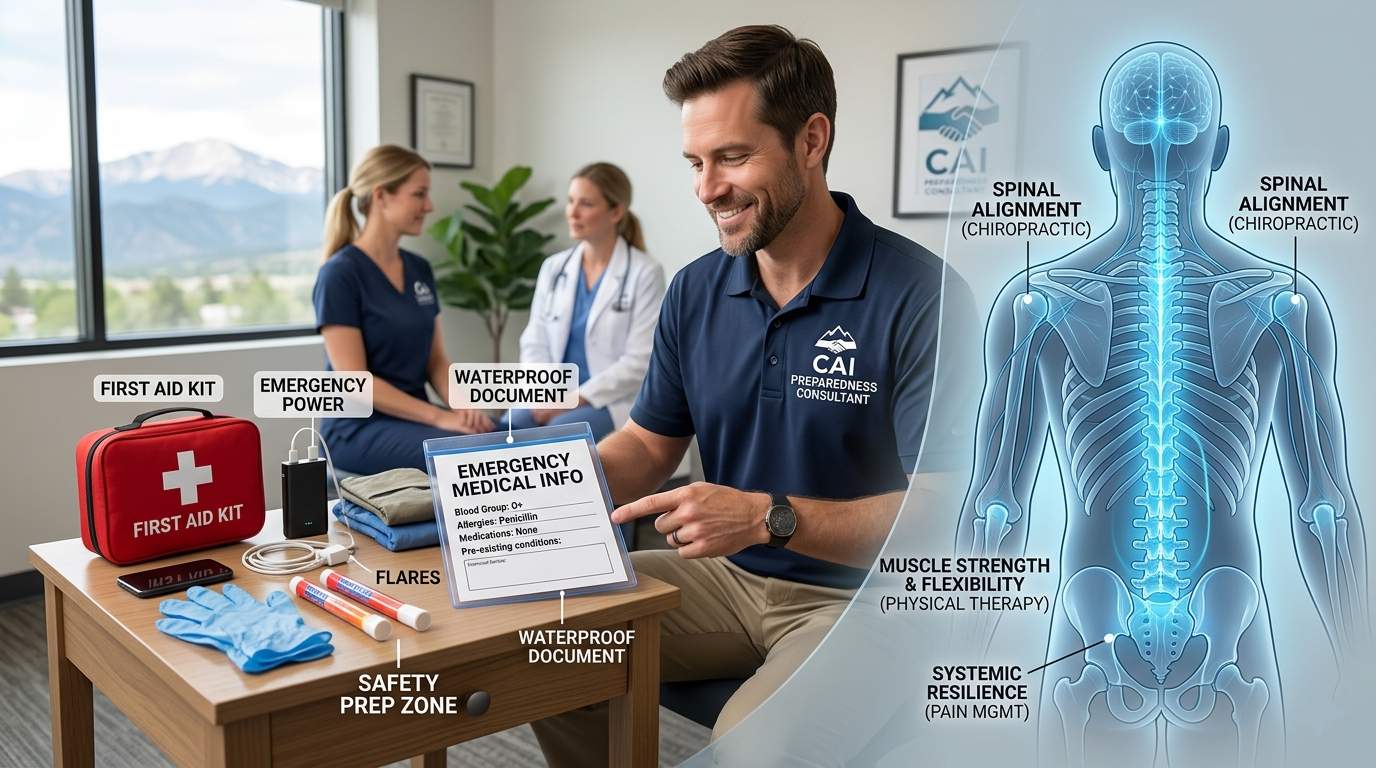
- The Emergency Kit: Keep a dedicated kit in your vehicle containing a first aid kit, flares, a whistle, protective clothing, and a secondary battery or charger for your phone.
- The Life-Saving Document: Carry a physical document detailing your basic medical information. This should include your blood group, allergies, current medications, and any pre-existing medical conditions. If an impact leaves you unconscious, this data becomes a vital tool for first responders.
4. Maximizing Vehicle Safety Precautions
Your vehicle’s safety features are only effective if they are in peak working condition. Before driving—even for a short distance—it is your responsibility to perform a quick safety audit.
- Mechanical Integrity: Regularly check your mirrors, signal lights, and brake lights. Never put a faulty vehicle on the road.
- The 50% Rule: Utilizing functional seat belts and ensuring your airbags are operational can reduce the effect of a collision impact by nearly 50%. These are the most critical life saving steps to take before an accident to preserve your physical integrity.
Building a Resilient Body for Recovery
A body that is already in optimal health often recovers faster from trauma. Regular Chiropractic Care ensures your spine is aligned, while the Best Physical Therapy Services can help maintain the muscle strength and flexibility needed to withstand sudden jolts. If you are already managing chronic pain, our Medical Pain Management specialists can help you reach a baseline of health that makes you more resilient in the event of an unforeseen incident.
Final Thoughts: Preparation is the Ultimate Defense
We cannot control every variable on the road, but we can control our level of preparation. By following these life saving steps to take before an accident, you are not just being a “careful driver”—you are investing in your survival and your future quality of life.
Ready for the Road, Prepared for the Unexpected Our Colorado Springs car accident doctors are here to support your journey back to health.