
Broken Ribs: Navigating the Pain and Complexity of Thoracic Trauma
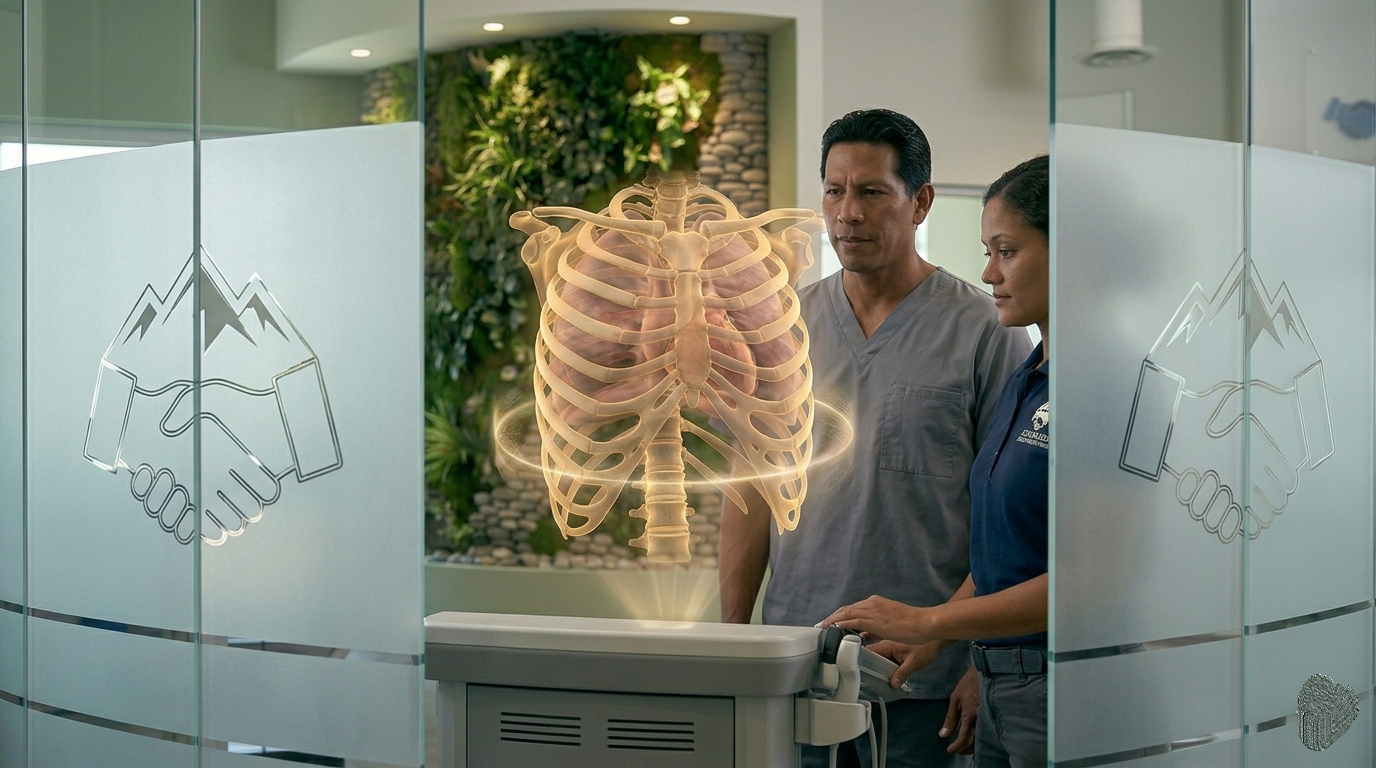
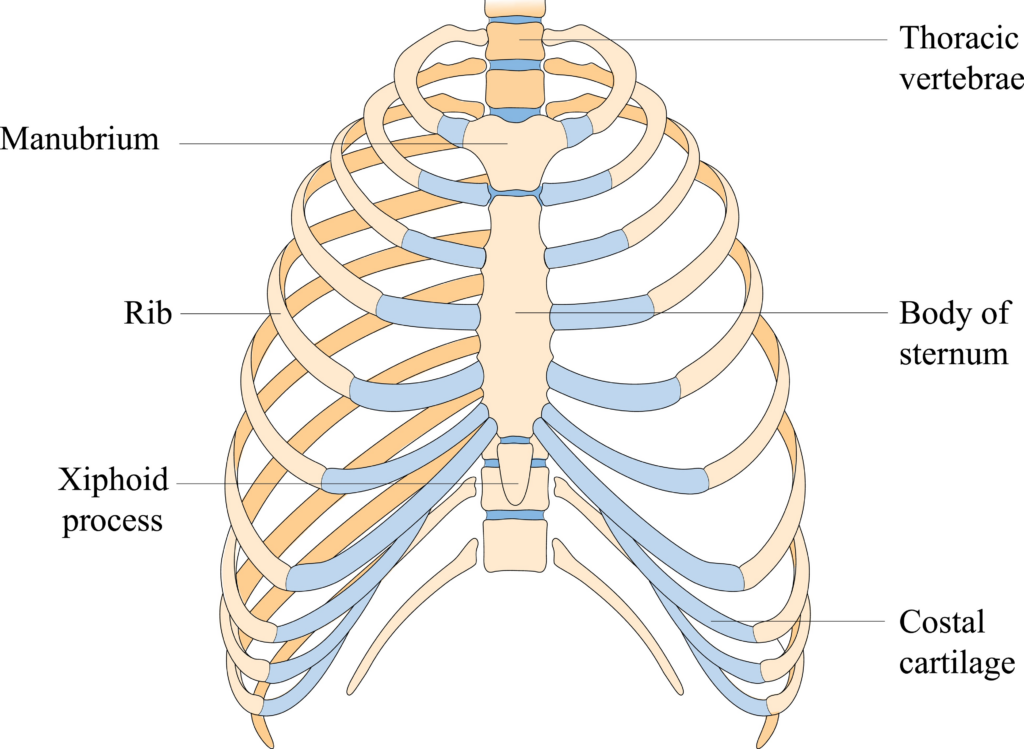
The human body is equipped with 24 ribs—12 on each side—forming an architectural cage designed to shield your most vital life-support systems: the heart and the lungs. Because these organs must expand and contract thousands of times a day, the rib cage is a masterpiece of flexibility and strength. However, when that “cage” is compromised by a high-impact collision or a hard blow, the results are far from fun. Broken ribs represent a significant medical event that requires more than just “rest”; it requires a strategic approach to prevent secondary complications.
At Colorado Accident & Injury, our integrated team helps patients navigate financial and legal challenges while providing the specialized thoracic care needed to ensure your rib cage heals without compromising your respiratory health.
Understanding the Spectrum of Rib Injuries
Not all rib injuries are created equal. The severity of the trauma dictates the risk level to your internal organs.
- Cracked Ribs (Stress Fractures): The most common injury, often resulting from blunt force trauma. While the bone is not fully separated, the pain can be excruciating every time you take a breath or cough.
- Broken Ribs: This defines a complete break where the bone is severed into two or more pieces. The primary danger here is the sharp ends of the bone, which can potentially puncture the soft tissue of the lungs, heart, or diaphragm.
The Mystery of Treatment: Why Professional Guidance Matters
Many people are baffled by how broken ribs are treated because, unlike an arm or a leg, a rib cannot be placed in a traditional cast. In most cases, surgical intervention is only necessary if the bones are critically out of alignment or threatening organ puncture.
According to the Mayo Clinic, most rib fractures heal on their own within six weeks. However, “healing on your own” does not mean “healing without medical supervision.” Professional treatment at a medical pain management clinic involves:
- Controlled Bracing: Utilizing specific supports to protect the area without restricting the lungs’ ability to expand.
- Respiratory Physical Therapy: Coached breathing exercises to prevent lung collapse and infection.
- Inflammation Control: Strategic use of non-steroidal anti-inflammatory medication to manage the “girdle” of pain that surrounds the chest.
The Necessity of Proper Diagnosis
A proper diagnosis is the foundation of safety. Because the ribs are layered with muscle and connective tissue, a physical exam alone is insufficient. We utilize advanced imaging—including X-rays, CT scans, or MRI (Magnetic Resonance Imaging)—to see the full picture.
- Identifying Underlying Causes: Sometimes a rib breaks more easily than it should. We look for contributing factors like osteoporosis (loss of bone density) or underlying lesions that may have weakened the bone structure. Early detection of these conditions can be life-saving.
Potential Complications: The “Invisible” Risks
The greatest risk of broken ribs isn’t the bone itself, but what happens to the systems nearby.
- The Pneumonia Risk: When breathing is painful, patients tend to take shallow breaths. This lack of deep oxygenation can cause the air sacs in the lungs to collapse, significantly increasing the risk of pneumonia.
- The Puncture Risk: Injuries to the first three ribs are particularly dangerous due to their proximity to major blood vessels and the heart.
- Lower Rib Dangers: Fractures in the lower two ribs, though more flexible and rare, can signal potential injury to the spleen, liver, or kidneys.
Specialized Care in Colorado Springs
If you have sustained a chest injury in an auto accident, you need a team that understands the delicate balance of thoracic recovery. Our Best Physical Therapy Services include specialized respiratory guidance, while our Chiropractic Care specialists ensure the rest of your skeletal system isn’t overcompensating for the injury.
Final Thoughts: Don’t Breathe Through the Pain
Broken ribs may not be anyone’s idea of fun, but with the right medical partners, the recovery process can be managed safely and effectively. At Colorado Accident & Injury, we provide the diagnostic precision and pain management strategies necessary to get you back to breathing deeply and living fully.
Expert Care for Every Break
From diagnostic imaging to respiratory therapy, our Colorado Springs team is your partner in recovery.