Post-car Accident Traumatic Stress Reactions You Must Never Ignore: Healing the Invisible Injuries
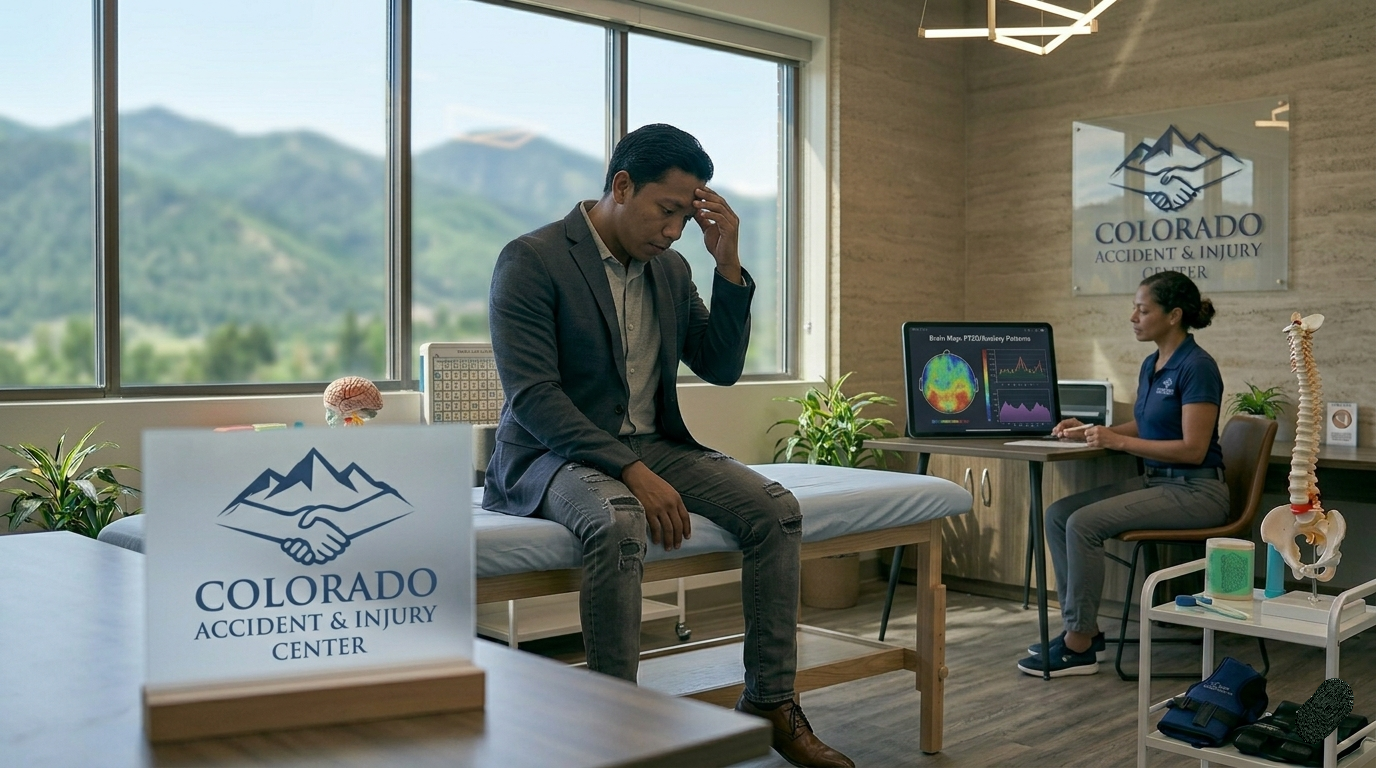
One of the most frightening experiences a human being can endure is the sudden loss of control during a motor vehicle accident. While initial medical attention often focuses on broken bones or visible bruising, the long-term traumatic effects can deeply impact a victim’s psychological well-being. Because these injuries aren’t visible on an X-ray, they are frequently dismissed or misunderstood. However, identifying post-car accident traumatic stress reactions you must never ignore is the first step toward reclaiming your life and emotional stability.
At Colorado Accident & Injury, our multidisciplinary team helps patients navigate financial and legal challenges so they can focus entirely on the delicate process of psychological and physical restoration.
The Danger of Silent Trauma
Pain and symptoms of any kind—whether physical or emotional—should never be ignored following a collision. Many post-accident traumas are subtle, making it easy to misattribute behavioral changes to “just being tired” or “stressed at work.” In reality, these are often neurological signals that the brain is struggling to process the event.
1. Persistent Avoidance Behaviors
Avoidance is a powerful subconscious defense mechanism. It often manifests as a refusal to drive, a fear of being a passenger, or an inability to pass the specific location where the accident occurred.
- The Cycle of Stress: Subconsciously, your brain attempts to prevent a repeat of the life-threatening event. However, avoidance is considered unhealthy because it prevents the processing of the trauma, ultimately worsening mental stress.
- Cognitive Suppression: You may find yourself suppressing thoughts or “blanking out” when the accident is mentioned. This tampering with regular information processing is a major red flag that requires intervention.
2. Heightened Anxiety and Hyper-Arousal
Anxiety is perhaps the most common reaction after a motorcycle or car accident. It isn’t just a feeling of “nervousness”; it is a physiological state where your body remains in “fight or flight” mode long after the danger has passed.
- Triggers: Harmless activities—like a car honking or the sound of brakes screeching—can cause the heart to race, palms to sweat, and chest pain to surface.
- Over-Reaction: Victims often find themselves excessively reacting to minor daily frustrations. If your heart rate increases or you experience respiratory distress from everyday road sounds, you must seek professional help immediately.
3. The Re-Experiencing Phenomenon
Trauma has a way of “looping” in the mind. Victims often find themselves caught in a cycle of re-experiencing the event through various auditory and visual memories.
- Flashbacks and Nightmares: These are not just bad dreams; they are the brain’s attempt to resolve the traumatic memory.
- Childhood Trauma: Young children may experience “content-less” frightening dreams or repetitive play that mimics the accident.
- Sleep Disturbances: If you are struggling to fall or stay asleep, it is often a result of subconscious re-experiencing. Medical Pain Management can sometimes assist in breaking the cycle of physical discomfort that prevents restful sleep.
4. Emotional Withdrawal and Numbing
Withdrawal is an “emotional numbing” strategy. It can quietly pull a victim away from the people, places, and professional commitments they once valued.
- Social Isolation: You might find yourself skipping family gatherings or feeling “detached” from loved ones.
- Professional Impact: Withdrawal often affects productivity and professional commitments, as the victim lacks the emotional energy to engage with their responsibilities.
The Path to Restoration
Healing from an auto accident requires a holistic view of health. While Chiropractic Care ensures your nervous system is physically aligned to handle stress, and Best Physical Therapy Services help you regain the confidence to move without fear, psychological support is the final piece of the puzzle.
At Colorado Accident & Injury, we have some of the best car accident doctors in Colorado Springs who specialize in the total rehabilitation of accident survivors. We provide a comprehensive treatment plan that addresses the “invisible” injuries just as aggressively as the physical ones.
Final Thoughts: Don’t Suffer in Silence
The post-car accident traumatic stress reactions you must never ignore are signals that your body needs help to heal. If you or a loved one are experiencing withdrawal, anxiety, or flashbacks, reach out today. Professional intervention is the most effective way to ensure a trauma doesn’t become a permanent part of your identity.
Reclaim Your Peace of Mind Our Colorado Springs specialists are here to guide you through every stage of post-accident recovery.