Why You Should Talk to a Psychologist After a Car Accident: The Path to Mental Recovery
If you have ever experienced a car accident, you may find that the trauma lingers long after the vehicle has been repaired. Does the idea of driving again make you feel anxious? Do you crave getting back on the road but find that thoughts of the collision are holding you back? You are not alone. Each year, over 2 million victims are gravely injured in motor accidents. While the causes—ranging from distracted driving to ignoring traffic directions—are often physical, the aftermath is frequently psychological.
At Colorado Accident & Injury, our integrated team helps patients navigate financial and legal challenges by addressing the total impact of a crash. Understanding why you should talk to a psychologist after a car accident is the first step toward feeling balanced and reclaiming your day-to-day life.
The Hidden Impact of Vehicular Trauma
After a collision, it is common to feel irritable, anxious, or emotionally unbalanced. While your physical injuries may be the primary focus of your initial medical care, there is a high probability that underlying mental health issues require professional attention. Even if you feel “fine” initially, processing the event with a professional is vital to preventing long-term complications.
Common mental health challenges that arise after a crash include:
- Depression: Persistent low mood or loss of interest in activities you once enjoyed.
- Anxiety: General nervousness or specific fears related to travel and traffic.
- Post-Traumatic Stress Disorder (PTSD): Flashbacks, nightmares, or severe emotional distress when reminded of the accident.
- Risky Driving Behaviors: Unexpected changes in driving habits as a result of trauma.
What a Psychologist Does for Accident Victims
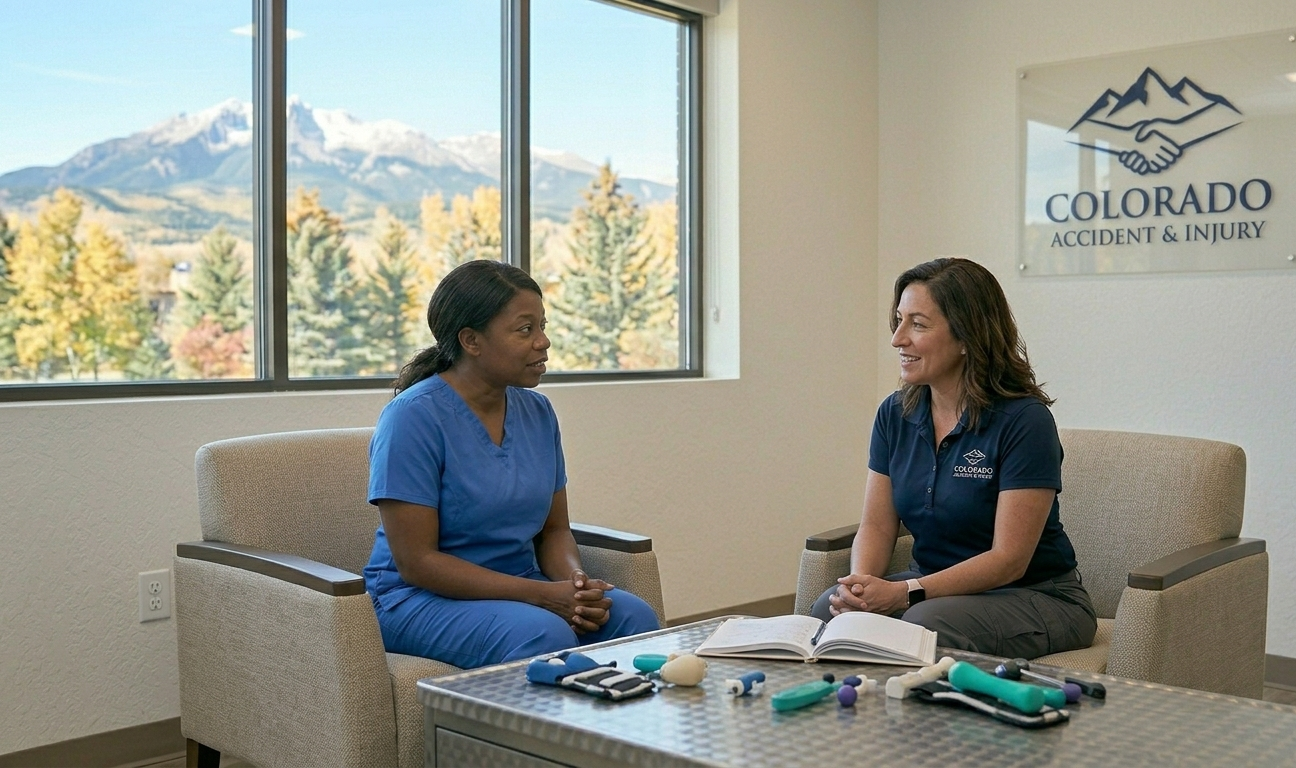
A psychologist provides a thorough assessment of your mental health to create a personalized recovery plan. At Colorado Accident & Injury, this process is integrated with your physical care, such as Chiropractic Care, to ensure nothing is overlooked. Key evaluations include:
- Neuropsychological Evaluation: Assessing how the trauma has affected your cognitive functions.
- Chronic Pain Assessment: Conducted alongside our Medical Pain Management team to understand how persistent physical pain impacts your mental well-being.
- Mental Health Assessment: Identifying specific conditions like PTSD or clinical anxiety.
Advanced Treatment Options
Once an assessment is complete, several effective treatment routes are available to help you heal:
- Cognitive Behavioral Therapy (CBT): A structured approach to changing the thought patterns that fuel your anxiety.
- Group Therapy: Connecting with others who have shared similar experiences to reduce feelings of isolation.
- Medication Management: Working with medical staff to stabilize symptoms through pharmacological support.
Preparing for Your First Appointment
To accelerate your healing, it is helpful to provide your doctor with as much data as possible. We recommend keeping a journal for at least one week prior to your visit. Document your sleep patterns, mood fluctuations, and any specific triggers that cause distress. This information assists your psychologist in making an accurate diagnosis and starting you on the right treatment path immediately.
Accelerating Your Healing with Professional Help
It may be tempting to try to “tough it out” or deal with the trauma on your own, but professional help is essential for a full recovery. By talking about your trauma, you can accelerate the healing process and prevent symptoms from becoming permanent barriers to your independence.
If you are struggling to get back behind the wheel or find yourself overwhelmed by the memory of a crash, combining counseling with Best Physical Therapy Services can restore both your physical mobility and your mental confidence. We have some of the best car accident doctors in Colorado Springs providing a multidisciplinary approach to therapy and rehabilitation.
Final Thoughts: You Don’t Have to Drive Alone
Healing from an accident involves the mind just as much as the body. By understanding why you should talk to a psychologist after a car accident, you are prioritizing your long-term health and safety. Reach out to our specialists today to rediscover your confidence on the road.
Begin Your Mental Recovery Journey Don’t let the memories of the past dictate your future. Discover why you should talk to a psychologist after a car accident and experience the multidisciplinary care that sets us apart.