Post Traumatic Stress Disorder After an Accident: Healing the Invisible Wounds
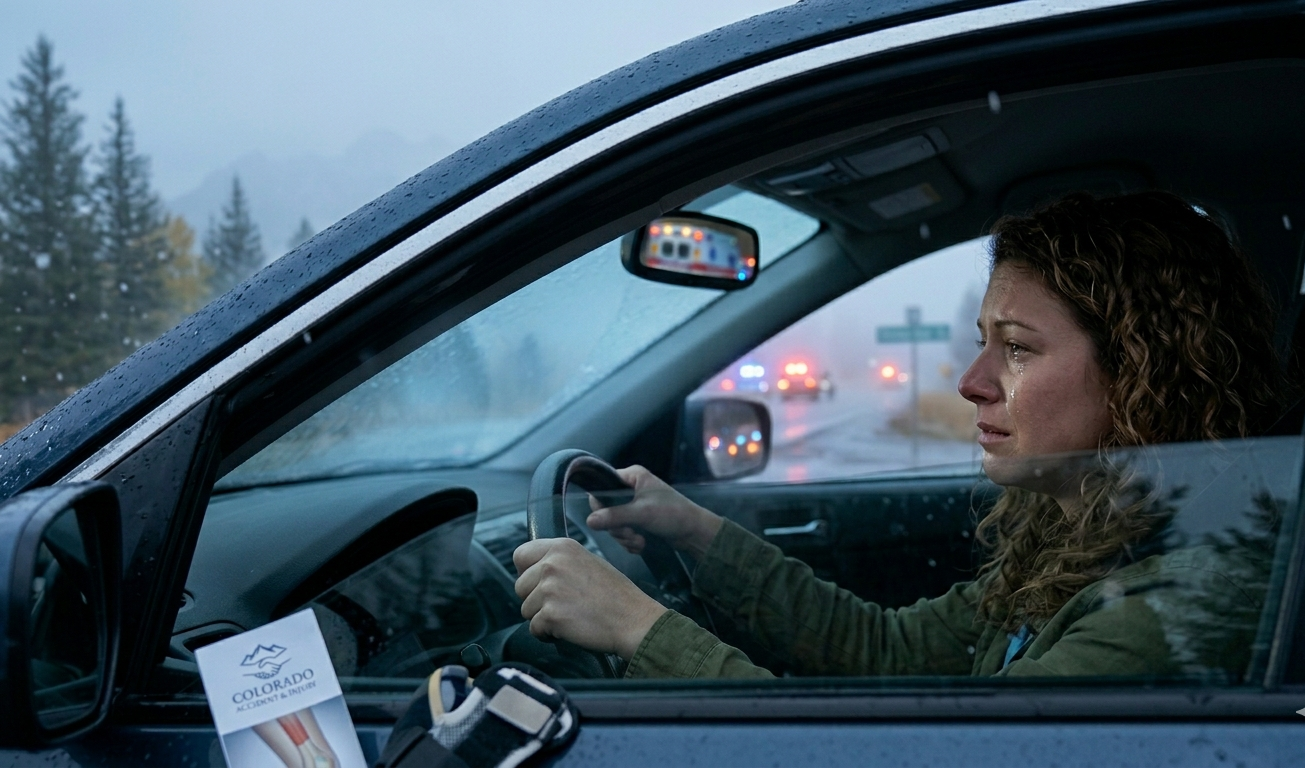
Psychological problems are not uncommon after a car accident. Research suggests that as many as 80 percent of people involved in a collision will experience some form of psychological distress in the weeks or months following the event. While broken bones and lacerations are often the first things treated, the “invisible wounds” like depression, anxiety, and sleep disorders can be just as debilitating.
At Colorado Accident & Injury, our integrated team helps patients navigate financial and legal challenges by providing holistic care that addresses the whole person. Understanding post traumatic stress disorder after an accident is the first step toward reclaiming your life.
Understanding PTSD and the Trauma Response
PTSD is a type of anxiety disorder that can develop after someone has been through a traumatic event. While many associate the condition with life-threatening scenarios, the clinical reality is that the event only needs to have caused the individual to feel intense fear, horror, or helplessness.
A car accident that results in serious injuries or death is a clear trauma, but even a relatively minor car accident can trigger PTSD if it was accompanied by those same feelings of helplessness. These psychological responses are essentially the brain’s way of processing an event that was too overwhelming to handle in the moment.
Common Symptoms of PTSD
PTSD symptoms can manifest immediately after the accident, or they may lie dormant for months or even years. Recognizing these signs early is vital for effective intervention:
- Flashbacks: This involves reliving the trauma repeatedly through intrusive thoughts or images, making it feel as though the accident is happening all over again. These can be triggered by sudden noises, certain smells, or even passing the site of the crash.
- Avoidance Behavior: Many victims begin avoiding anything that reminds them of the trauma, such as specific roads, people, or activities. While this feels like a safety mechanism, avoidance can actually make the condition worse by preventing the person from coming to terms with the experience.
- Negative Mood and Thinking Changes: This may include feeling angry or depressed all the time, harboring negative beliefs about the world, or feeling a sense of hopelessness regarding the future.
- Physical and Emotional Hyper-Reactivity: Victims often report being easily startled, having trouble concentrating, feeling “on edge,” or suffering from chronic low energy and sleep disturbances.
The Physiological Connection to Psychological Healing
At Colorado Accident & Injury, we understand that the mind and body are inextricably linked. Persistent physical pain can act as a constant “reminder” to the brain of the trauma, keeping the nervous system in a state of high alert.
Our multi-disciplinary approach addresses this through:
- Chiropractic Care: To correct spinal misalignments that may be causing physical stress signals to the brain.
- Massage Therapy: To help lower physical tension and assist the body in moving out of a “fight or flight” state.
- Best Physical Therapy Services: To provide a safe, controlled environment where patients can regain a sense of mastery over their physical movements.
Navigating the Aftermath: Financial and Medical Support
If you are struggling with post traumatic stress disorder after an accident, it is important to seek professional help from doctors who understand the psychological aftermath. Many victims hesitate to seek care due to cost, but it is important to remember that many auto insurance policies include coverage for medical expenses—including psychological care—following a collision. If you have questions about your policy, we recommend contacting your insurer to understand your benefits.
Final Thoughts: Moving Toward a Healthy Life
The road to recovery after an accident is rarely a straight line. By acknowledging the psychological impact of the event alongside your physical injuries, you give yourself the best chance at a full recovery. With the right professional support, you can move on from the accident and live a happy, healthy life.
You Don’t Have to Heal Alone If you or a loved one are experiencing symptoms of post traumatic stress disorder after an accident, our team at Colorado Accident & Injury is here to help. We provide the comprehensive care and documentation needed to support your health and your claim. Contact us today to start your journey back to wellness.