
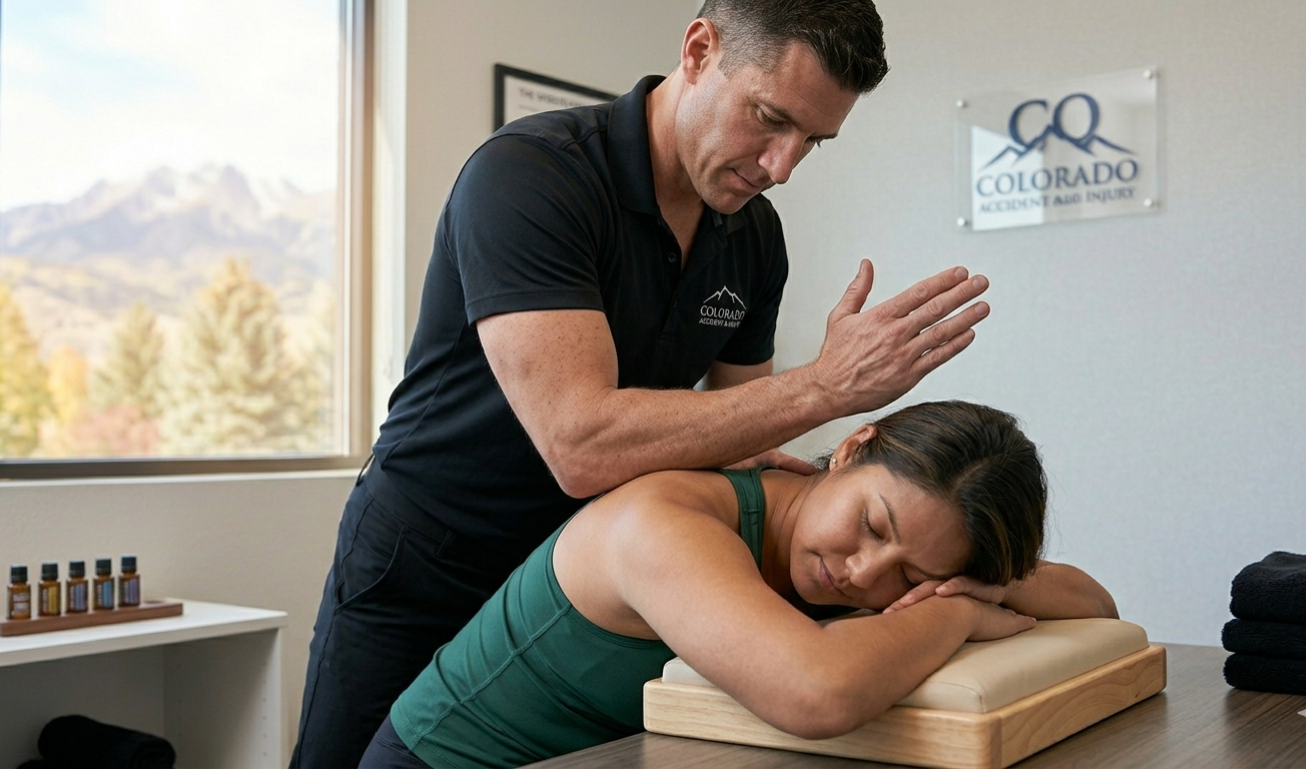
Deep Tissue Massage Work For Musculoskeletal Injuries: A Clinical Perspective on Healing
Musculoskeletal injuries—those affecting the bones, muscles, nerves, ligaments, or tendons—are a common consequence of high-impact events like car accidents. These injuries often result in varying intensities of pain, ranging from acute discomfort to debilitating chronic conditions. While many patients are familiar with treatments like chiropractic adjustments or physical therapy, many wonder: does deep tissue massage work for musculoskeletal injuries?
At Colorado Accident & Injury, our integrated team helps patients navigate financial and legal challenges by providing evidence-based massage therapy that not only relieves pain but also provides necessary medical documentation for your recovery.
What is Deep Tissue Massage?
Deep tissue massage is a specialized technique primarily employed to address musculoskeletal issues, particularly those resulting from significant strains and sports-related trauma. Unlike traditional relaxation massage, this therapy focuses on the deeper layers of muscle and connective tissue.
Therapists typically utilize three core methodologies based on a patient’s specific needs:
- Active Release Method: Addressing tension through movement and pressure.
- Trigger Point Method: Targeting specific “knots” that cause radiating pain.
- Muscle Energy Technique: Using the patient’s own muscle contractions to aid in stretching and relaxation.
How the Technique Facilitates Healing
The process begins with the therapist identifying specific “problem areas” associated with the injury. Unlike systemic medical conditions, musculoskeletal injuries are often localized to specific joints or muscle groups.
Once the patient is warmed up, the therapist uses slow, deliberate, and deep strokes. By applying varying levels of pressure to the tendons and muscles deep under the skin, this method improves blood flow and reduces the localized inflammation that often stalls the healing process. While the pressure may feel intense and less rhythmic than a Swedish massage, the clinical benefits for chronic pain reduction are immense.
Key Benefits for Injury Rehabilitation
When considering if deep tissue massage work for musculoskeletal injuries, it is important to look at the three primary physiological impacts:
1. Systemic Pain Reduction
Deep tissue work helps decrease inflammatory cytokines—the signaling molecules in the body responsible for pain and inflammation. Additionally, the stimulation aids in the creation of new mitochondria, which are essential for muscles to recover from the strain of an accident.
2. Breaking Up Scar Tissue
Following an injury, the body often develops scar tissue—a collection of cells and collagen—at the site of the trauma. This tissue can limit blood flow and flexibility. Consistent deep tissue work increases lymphatic circulation, which helps break up these collagen collections and restores a patient’s natural range of motion.
3. Restoration of Injured Muscles
Whether it is a sports injury or a car wreck, muscles often become “tight” or fatigued as a protective response. Massage therapy fosters the movement of toxins out of the muscle fibers, effectively speeding up the recovery of injured tissues and preventing secondary injuries caused by muscle guarding.
Integrating Massage into Your Recovery Plan
Musculoskeletal injuries are complex and often require a multidisciplinary approach. Deep tissue massage is most effective when paired with other therapeutic services:
- Chiropractic Care: To ensure the skeletal structure is aligned while the soft tissues are being released.
- Best Physical Therapy Services: To build the strength necessary to support the newly relaxed and healed muscles.
- Massage Therapy: To maintain tissue health and prevent the recurrence of chronic stiffness.
Final Thoughts: A Scientific Path to Wellness
Evidence-based deep tissue massage is an effective, non-invasive treatment for those suffering from the aftermath of a car accident or sports injury. By targeting the root causes of pain—inflammation and scar tissue—this therapy allows patients to regain their mobility and improve their overall quality of life.
Experience True Relief Today If you are wondering if deep tissue massage work for musculoskeletal injuries in your specific case, our experts are here to help. At Colorado Accident & Injury, we feature some of the best therapists in the state to assist you in your rehabilitation. Contact us today to begin your journey to a pain-free life.