Physical Therapy Is So Important After a Car Accident: The Path to Full Recovery
If you’ve been in a motor vehicle collision, you already know the experience is profoundly traumatic. Beyond the immediate shock, your body begins to process a wide variety of physical injuries, while your mind is likely swimming with questions regarding your recovery and long-term health. One of the most critical decisions you can make in the days following a crash is to consult with a specialist. Understanding why physical therapy is so important after a car accident is the first step toward reclaiming your life and ensuring a correct healing process.
At Colorado Accident & Injury, our integrated team helps patients navigate financial and legal challenges by providing the documented evidence of recovery needed to support complex injury claims.
1. The Immediate and Hidden Effects of a Collision
Car accidents inflict a spectrum of injuries, from visible scrapes to serious head and neck trauma. However, the most dangerous injuries are often the ones you cannot see.
- The Whiplash Factor: This injury is caused by the sudden, violent movement of the head and neck upon impact.
- Latent Symptoms: Whiplash can lead to chronic pain and stiffness in the neck and shoulders that may not manifest immediately but can result in long-term disability if ignored.
- Clinical Recognition: A physical therapist is specifically trained to recognize these “unseen” injuries and provide the early intervention necessary to stop them from worsening.
2. Mitigating the Risk of Chronic Pain
It is normal to feel sore in the days following an accident, but when pain persists, it indicates an underlying structural problem. Physical therapy is so important after a car accident because it addresses the root cause of pain rather than just masking the symptoms.
Chronic pain symptoms often include shooting, burning, or electrical sensations that do not resolve as expected. By strengthening the muscles in the neck, shoulders, and core, physical therapy reduces the risk of developing permanent stiffness. Our goal is to move you from a state of “soreness” to a state of sustained strength.
3. Restoring Mobility and Range of Motion
Injuries from a crash often result in decreased mobility due to swelling and internal tissue damage. This stiffness can prevent you from performing basic everyday activities, such as driving or reaching for objects.
- Targeted Stretching: Therapists provide specific stretches to lengthen shortened or guarded muscles.
- Joint Flexibility: Through individualized treatment plans, physical therapy increases flexibility and restores the natural range of motion to your joints.
- Functional Movement: We focus on getting you back to “moving normally” as quickly and safely as possible.
4. Preventing Long-Term Complications
If left untreated, minor injuries can transform into serious, lifelong problems. Physical therapy is so important after a car accident because it serves as a preventative shield. By providing treatments that target the underlying cause of discomfort, therapists can stop complications before they begin. Furthermore, therapists teach you essential techniques for self-managing pain once your formal clinical treatment is complete, empowering you to maintain your progress at home.
5. What Exactly is Physical Therapy?
Physical therapy is a clinical discipline focused on restoring function, range of motion, and strength following traumatic trauma. At Colorado Accident & Injury, our therapists utilize a variety of advanced techniques, including:
- Manual Therapy: Hands-on techniques, including specialized massage, to mobilize soft tissues and joints.
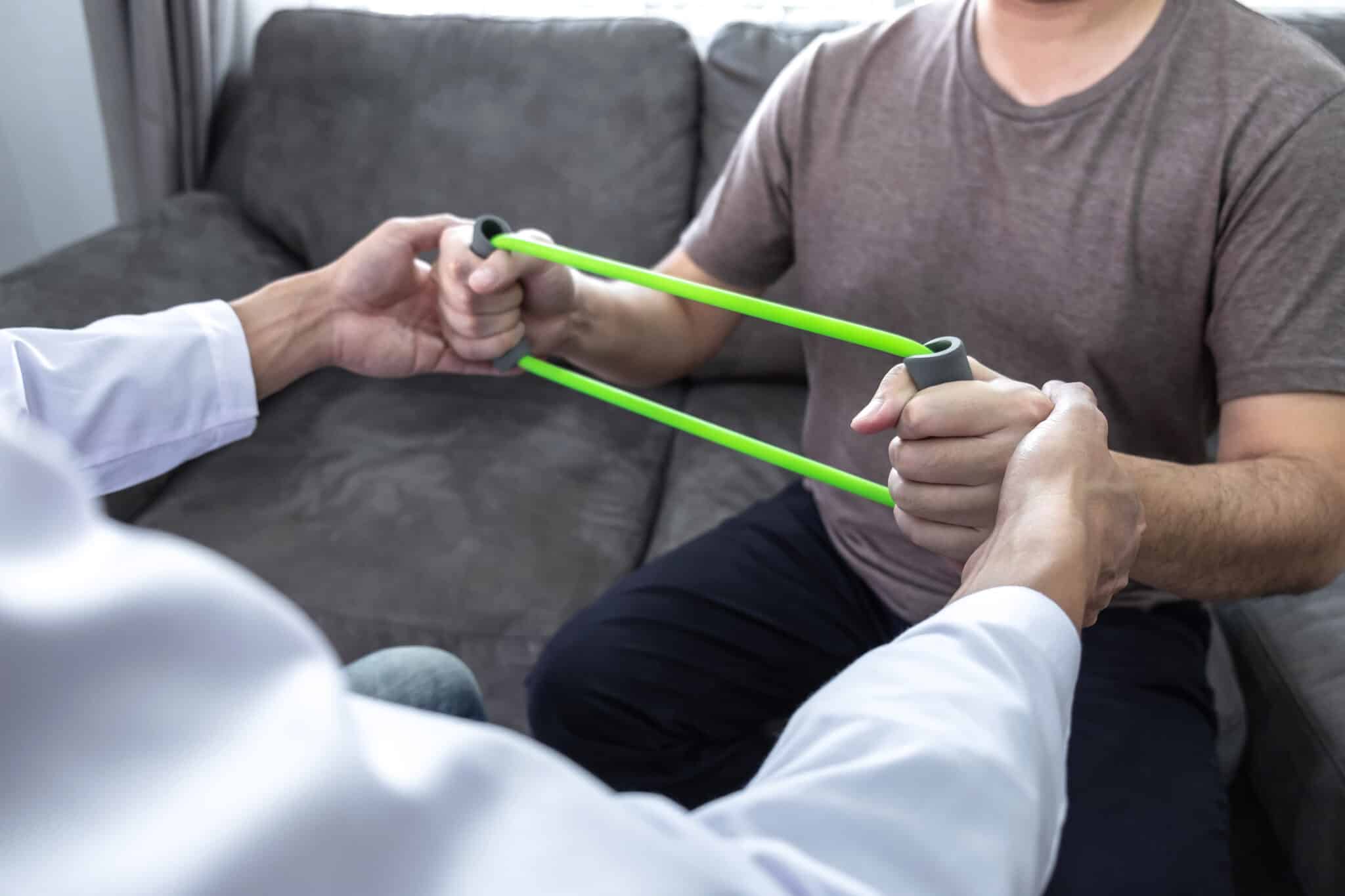
- Therapeutic Exercise: Targeted movements to build endurance and stabilize injured areas.
- Specialized Equipment: Utilizing modern technology to help patients regain function that was lost during the accident.
6. The Benefits of an Individualized Plan
No two accidents are identical, and neither are the resulting injuries. This is why a “one-size-fits-all” approach to healing fails. Your physical therapist will work with you to create a plan that meets your specific physiological needs. This typically includes:
- Posture-Correction Exercises: To ensure your body isn’t overcompensating for an injury in a way that creates new pain.
- Strength Training: To support the skeletal system as it heals.
- Discomfort Management: Using tips for pain relief, such as heat/cold therapy, to manage daily irritation.
7. What to Expect at Your Appointment
Your journey begins with an initial assessment to evaluate the full extent of your trauma.
- Health History Review: Discussing your symptoms and any prior conditions.
- Clinical Testing: This includes range-of-motion assessments, strength tests, and mobility screenings.
- Plan Development: Once the therapist understands the extent of the damage, they will build a roadmap involving manual therapy, exercises, and function-restoration techniques.
Final Thoughts: Healing Correctly from the Start
Seeking out physical therapy as soon as possible after an accident ensures that you heal correctly. It is the difference between a temporary setback and a lifelong struggle with chronic pain. By prioritizing your recovery now, you ensure you can return to the activities you love with the strength and mobility you deserve.
Reclaim Your Life with Expert Care If you are experiencing pain, stiffness, or limited mobility after a car accident, do not wait for the symptoms to resolve on their own. At Colorado Accident & Injury, our experienced physical therapists provide the comprehensive care you need to recover quickly. Contact us today to schedule your evaluation.