Pedestrian Safety Tips: Staying Secure in an Increasingly Busy World
Implementing proactive pedestrian safety tips is more important than ever as traffic density and transportation advancements increase the risks for those on foot. Whether you are walking to work, jogging for exercise, or simply crossing a busy street, you are in a uniquely vulnerable position. Unlike motorists, pedestrians lack a protective metal shell, meaning even a low-speed collision can result in catastrophic physical trauma. By keeping your head up and staying aware of your surroundings, you can traverse any area with the confidence that your well-being is protected.
At Colorado Accident & Injury, our multidisciplinary team helps patients navigate financial and legal challenges by providing specialized care that documents the precise nature of pedestrian injuries to support successful recovery and legal claims.
1. Understanding Common Pedestrian Injuries
When a pedestrian is involved in an accident, the injuries are often severe due to the direct impact of a vehicle or the secondary impact with the ground.
- Sprains and Strains: These often occur due to sudden falls or attempts to jump out of the way of a vehicle.
- Head and Neck Trauma: Collisions frequently cause whiplash or traumatic brain injuries (TBI) that require immediate Chiropractic Care.
- Back and Leg Trauma: Slipping or tripping on uneven surfaces can lead to spinal misalignments or fractures in the lower extremities.
- Serious Abrasions: Contact with the pavement can cause “road rash,” which requires specialized cleaning and care to prevent infection.
2. Identifying the Causes of Pedestrian Accidents
Accidents often happen when either the driver or the pedestrian fails to exercise reasonable caution. Common causes include:
- Distraction: Both distracted driving and distracted walking (texting or browsing) are leading factors in urban collisions.
- Failure to Yield: Drivers or walkers ignoring right-of-way laws at intersections.
- Speeding and Intoxication: High speeds and impaired judgment significantly increase the likelihood of a fatal strike.
- Poor Visibility: Wearing dark clothing at night or walking in areas with poor road design or lighting.
3. Essential Pedestrian Safety Tips Every Walker Should Know
To reduce your risk of injury, follow these fundamental safety protocols every time you step out onto the roadway.
A. Eliminat All Distractions
Listening to loud music or texting while walking makes you “blind” and “deaf” to your environment. You must be able to hear an approaching engine or see a vehicle turning unexpectedly. Concentrate on your path and prioritize your surroundings over your device.
B. Utilize Designated Crosswalks
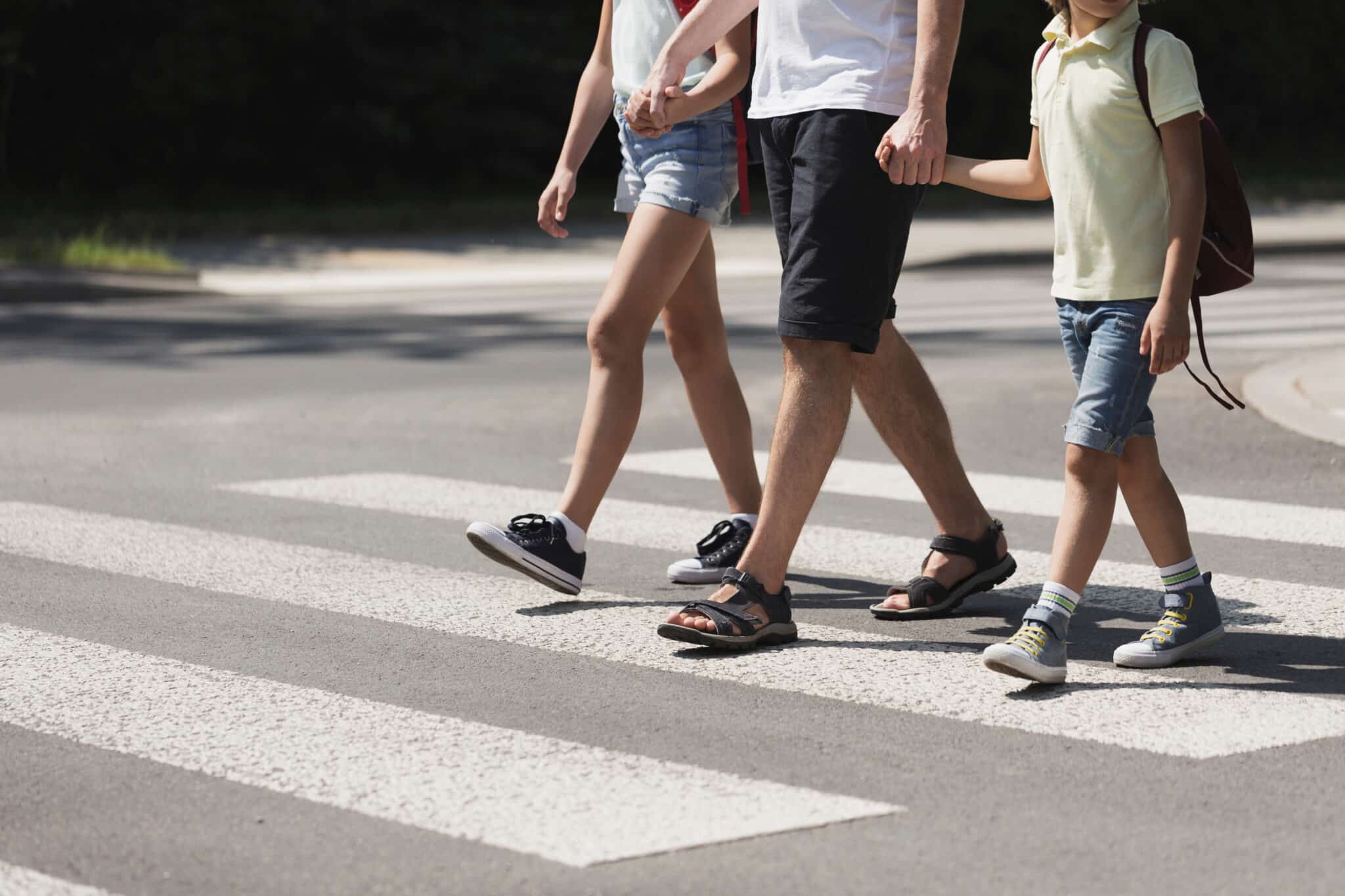
Whenever you are in a hurry, it is tempting to “jaywalk.” However, you should only cross at designated crosswalks or intersections. These are the specific areas where drivers anticipate pedestrian presence and are more likely to be prepared to stop.
C. Look Both Ways and Double Check
Before stepping off the curb, look left, right, and left again. Additionally, look in the direction of oncoming cars to spot any “rushing” drivers you might have missed. Verify that the road is clear twice before you commit to crossing.
D. Maintain Maximum Visibility
Wear bright, eye-catching colors, especially if you are jogging at dawn or dusk. Carrying a flashlight or wearing reflective gear can make you visible to a motorist from hundreds of yards away, giving them ample time to react.
E. Walk Against the Traffic
When sidewalks are unavailable, always walk facing oncoming traffic. This orientation allows you to see approaching vehicles and motorcycles, giving you the time needed to move off the roadway if a driver is veering too close.
4. Safety Tips for Drivers: Protecting Our Neighbors
Safety on the road is a shared responsibility. Drivers can prevent tragedies by:
- Looking Everywhere: Anticipate pedestrians in school zones, neighborhoods, and crosswalks.
- Slowing Down: Use extra caution during bad weather or at night when visibility is low.
- Yielding Properly: Always stop well back from a crosswalk to allow other vehicles to see the crossing pedestrian.
- Avoiding the “Pass”: Never pass a vehicle stopped at a crosswalk, as they are likely stopped for a person you cannot see yet.
5. The Path to Physical Rehabilitation
If an accident does occur, the road to recovery requires expert intervention.
- Skeletal Alignment: Following a collision, it is vital to check for spinal damage that could lead to chronic pain.
- Functional Mobility: Best Physical Therapy Services are essential for rebuilding strength in the back and legs after a fall or strike.
- Soft Tissue Relief: Massage Therapy helps manage the pain associated with severe abrasions and muscle strains.
6. Why Colorado Accident & Injury is Your Best Choice
If you or a loved one has been injured, waiting to get help is one of the most dangerous things you can do. Our center provides support and guidance through the entire healing process.
- Expert Auto-Injury Treatment: Our doctors are experts in treating everything from minor sprains to major trauma.
- Integrated Care Model: We combine multiple medical fields into one location to ensure your treatment is cohesive and effective.
- Immediate Diagnostics: We use advanced imaging to find “hidden” injuries before they become permanent disabilities.
Final Thoughts: Walk with Confidence
By following these pedestrian safety tips, you can significantly reduce your risk of becoming a statistic. However, if the unexpected happens, remember that immediate medical attention is the key to both your physical health and your legal protection. Stay alert, stay visible, and always watch your step.
Personalized Care for Every Step of Your Recovery At Colorado Accident & Injury, we are dedicated to helping you heal after a pedestrian accident. Our expert team will work with you to create a personalized care plan that gets you back to your life as quickly as possible. Contact us today to schedule your appointment!