Post-Car Accident Stress and PTSD: Navigating the Emotional Road to Recovery
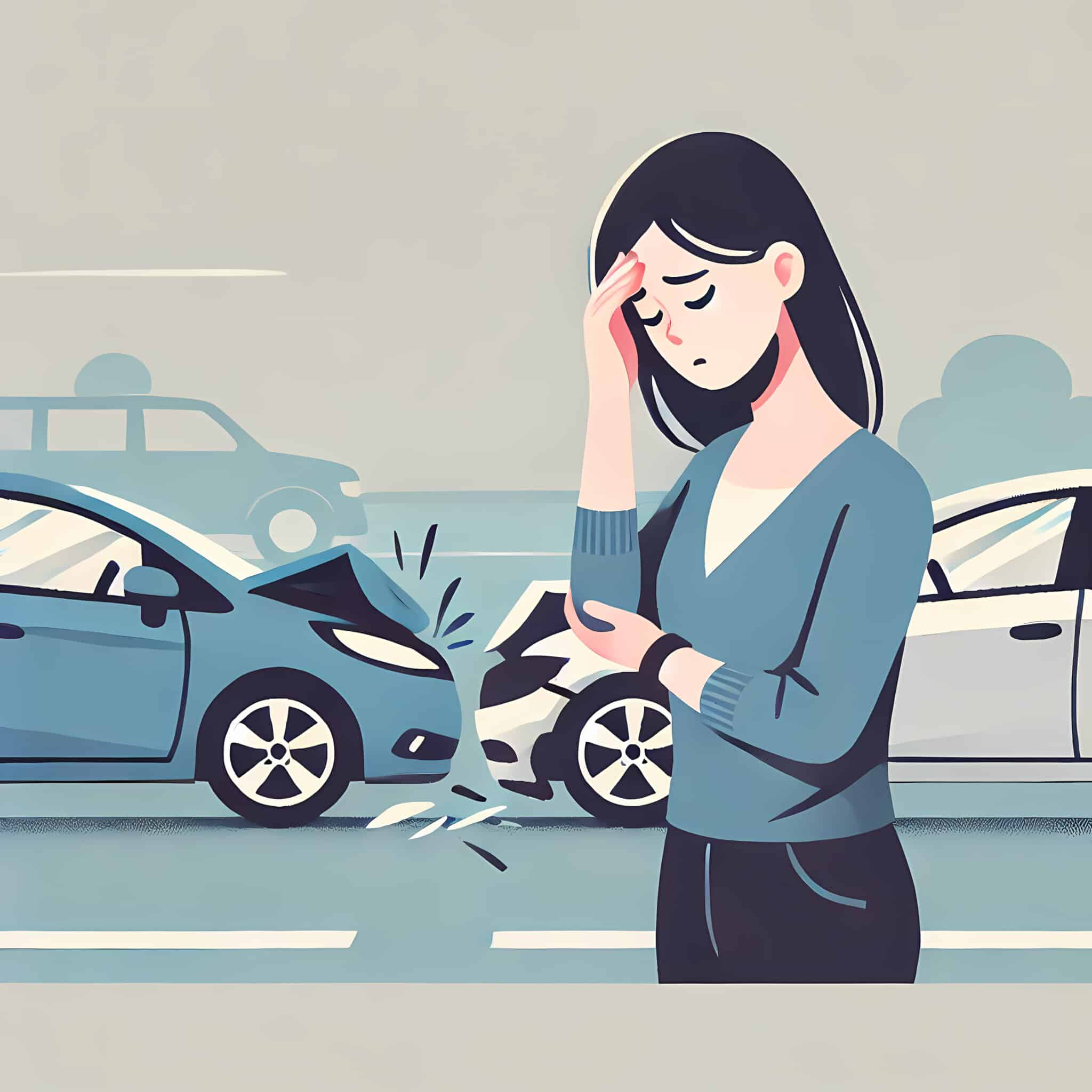
Post-car accident stress and PTSD are serious psychological conditions that can be just as debilitating as a physical injury. Car accidents are traumatic events that leave lasting scars, and while many people naturally focus on repairing whiplash, broken bones, or concussions, it is equally vital to acknowledge the mental toll. At Colorado Accident & Injury, we believe that a broken spirit deserves the same expert care as a broken bone.
In this guide, we will discuss how the emotional aftermath of a crash affects your health, the specific symptoms to watch for, and the advanced treatment options available to help you regain control of your life.
Understanding the Difference: Stress vs. PTSD
It is normal to feel “shaken up” after a collision. Post-car accident stress refers to the immediate anxiety and emotional distress people experience. This might manifest as feeling “on edge” when driving or having difficulty sleeping for a few nights.
However, PTSD (Post-Traumatic Stress Disorder) is a more severe, long-term condition that often develops weeks or even months after the event. It is characterized by persistent, intrusive memories that make everyday life—working, maintaining relationships, and even riding in a car—feel nearly impossible.
Common Signs and Symptoms to Monitor
Not every survivor develops PTSD, but awareness is the first step toward prevention. If you notice these symptoms persisting for more than a month, it is time to seek professional intervention:
- Intrusive Memories: Reliving the crash through vivid flashbacks or nightmares.
- Avoidance Behaviors: Refusing to drive, avoiding the crash site, or feeling numb when the accident is mentioned.
- Hyperarousal: Being easily startled, feeling constantly “on guard,” or experiencing sudden outbursts of irritability.
- Cognitive Fog: Struggling to concentrate at work or feeling mentally detached from loved ones.
The Hidden Connection: Mental Stress and Physical Pain
It is a medical fact that post-car accident stress and PTSD can physically slow down your recovery. When your mind is in a state of constant trauma, your body produces high levels of cortisol. This hormone increases muscle tension and systemic inflammation, which can make Chiropractic Care or physical therapy less effective because your muscles are essentially “fighting” the treatment.
Furthermore, the sleep disturbances associated with PTSD weaken the immune system, depriving your body of the deep-sleep cycles required for cellular repair and tissue growth. Taking a holistic approach isn’t just a “nice idea”—it is a clinical necessity for a full recovery.
Advanced Treatment Options for Emotional Healing
Fortunately, the medical community has developed highly effective ways to treat accident-related trauma. At Colorado Accident & Injury, we provide access to several pathways for healing:
1. Cognitive Behavioral Therapy (CBT)
CBT is the gold standard for treating anxiety. By working with a specialist in our Counseling Services department, you can learn to identify negative thought patterns and replace them with healthy coping mechanisms that reduce the power the accident has over your daily life.
2. EMDR Therapy
EMDR (Eye Movement Desensitization and Reprocessing) is a specialized therapy that helps the brain “re-file” traumatic memories. It reduces the emotional “charge” of the accident, allowing you to remember what happened without your body going into a full panic response.
3. Integrated Physical and Chiropractic Care
Sometimes, the “memory” of the accident is stored in the body’s physical tension. By utilizing Best Physical Therapy Services, you can release the physical manifestations of stress. When your body feels safe and aligned, your mind often follows suit.
Why Early Intervention Changes Everything
The longer post-car accident stress and PTSD go untreated, the deeper the neural pathways of fear become. Early intervention helps you build resilience and prevents the development of secondary issues like chronic depression or social isolation.
Because our clinic helps patients navigate financial and legal challenges, we also ensure that your mental health treatment is meticulously documented. In many legal cases, “pain and suffering” includes the documented psychological trauma you’ve endured. We ensure your medical records reflect the true, total impact of the accident on your life.
You Don’t Have to Carry This Alone Healing your mind is just as important as healing your body. Let our compassionate team help you find your way back to peace.