Recovering After an Injury: The Ultimate Guide to Healing Faster and Stronger
Recovering after an injury is a journey that requires more than just time; it requires a strategic, proactive approach to healing. Whether you are dealing with the aftermath of a car accident, a sports-related strain, or a sudden slip and fall, the steps you take in the weeks following your injury will determine your long-term mobility. At Colorado Accident & Injury, we believe that “resting and waiting” isn’t enough. True recovery happens when you combine professional medical intervention with smart, daily habits.
Here is our comprehensive guide to navigating the recovery process with confidence.
1. Follow Your Personalized Treatment Plan
The most crucial step in recovering after an injury is strict adherence to the plan created by your healthcare providers. Whether you have seen a chiropractor, a physical therapist, or a specialist, they have designed a roadmap based on your unique biomechanics and injury severity. Skipping appointments or ignoring “home exercises” can lead to the formation of restrictive scar tissue, which is much harder to treat later.
2. The Power of “Active Rest”
While it is tempting to remain completely stationary after an injury, total immobilization can actually slow down the healing process. Movement is essential for keeping the blood flowing and the joints lubricated. We recommend “active rest”—engaging in low-impact activities that don’t aggravate your injury.
- Walking: Boosts circulation and mood.
- Gentle Stretching: Prevents the muscles from “locking up.”
- Listen to the Pain: If an activity causes sharp pain, stop immediately.
3. Master the Use of Ice and Heat
Using ice and heat correctly is one of the simplest yet most effective forms of Pain Management.
- The First 48 Hours: Use Ice to constrict blood vessels and reduce acute swelling.
- After 48 Hours: Use Heat to relax tight muscles and encourage oxygen-rich blood to flow into the area. Always apply these in 15–20 minute intervals and never place them directly against your skin to avoid thermal injury.
4. Prioritize “Recovery Nutrition” and Hydration
Your body is essentially a construction site during the healing process; it needs high-quality raw materials to rebuild.
- Protein: Essential for tissue and muscle repair.
- Anti-inflammatory Foods: Leafy greens, berries, and omega-3 fatty acids can help lower systemic inflammation.
- Hydration: Water is the “transportation system” that delivers nutrients to your cells and flushes out toxins.
Healing comes from the inside out. We stand beside our patients like a partner to ensure every aspect of your health is supported.
5. Incorporate Professional Physical Therapy
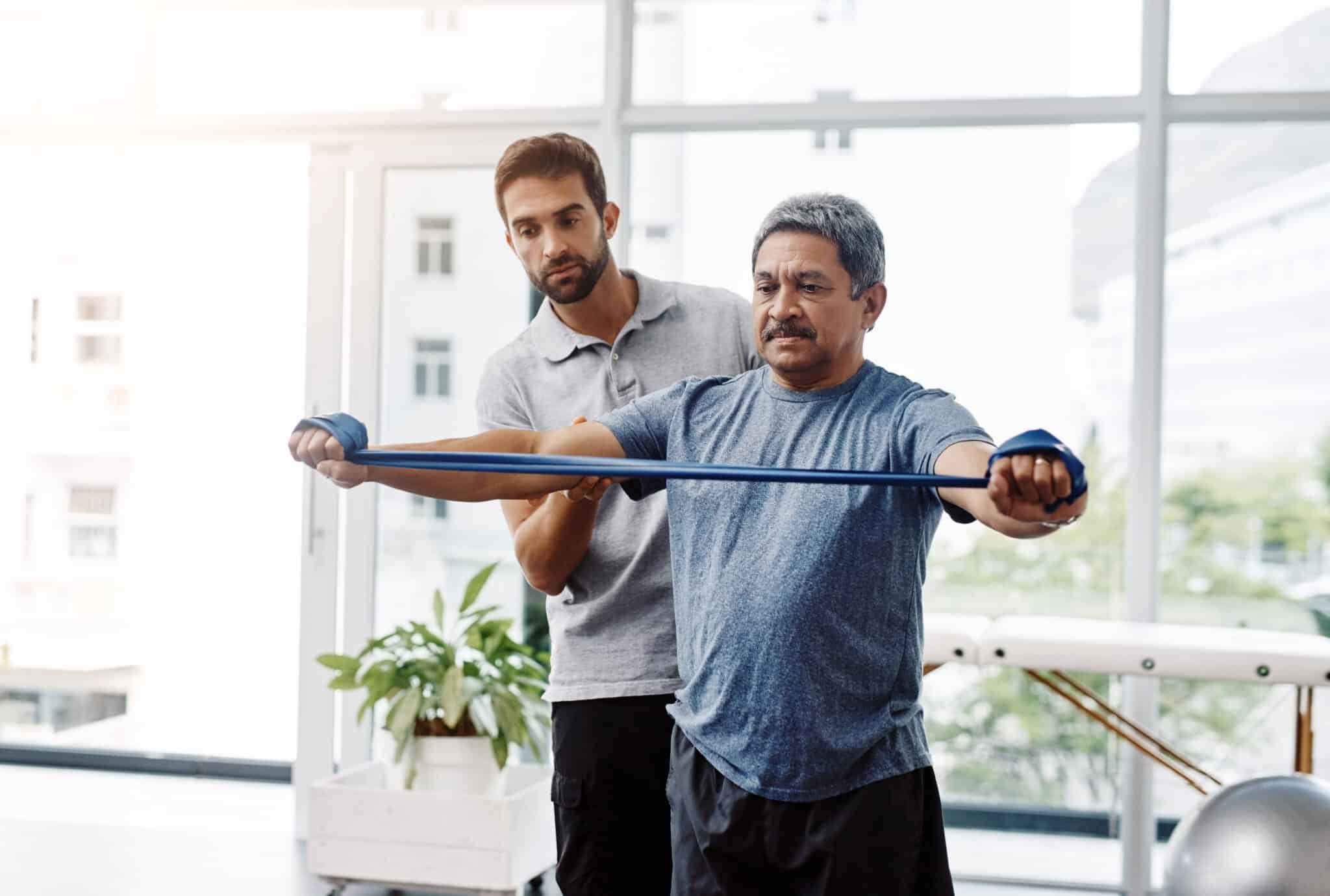
For musculoskeletal injuries, Best Physical Therapy Services are non-negotiable. A physical therapist doesn’t just help you move; they help you move correctly. By identifying compensatory patterns—where you might be overusing one side of your body to protect the other—they prevent secondary injuries from developing.
6. The Science of Sleep and Tissue Repair
When you are recovering after an injury, sleep is your most powerful ally. During deep sleep, the body releases growth hormones that stimulate tissue repair and muscle growth. If you are struggling with pain-related insomnia, speak with your provider about sleep positions that support spinal alignment.
7. Utilize Chiropractic Care for Structural Integrity
Chiropractic adjustments are a vital piece of the recovery puzzle, especially for injuries involving the neck or back. A chiropractor ensures that your skeletal structure is aligned, which allows your nervous system to communicate clearly with the rest of your body. When the spine is aligned, your Chiropractic Care sessions work in tandem with physical therapy to accelerate the entire healing timeline.
8. Maintain a Positive, Resilient Mindset
The psychological aspect of recovering after an injury is often overlooked. It is normal to feel frustrated or anxious when you can’t participate in your usual activities. However, stress releases cortisol, which can actually increase pain sensitivity. Celebrate small milestones—like regaining five degrees of motion or walking a block further than yesterday—and stay focused on the progress you are making.
9. Documentation and Knowing When to Ask for Help
Because our clinic helps patients navigate financial and legal challenges, we always remind our patients to document their recovery. Keep a log of your pain levels and the steps you are taking to get better.
Furthermore, if your recovery stalls or you notice new symptoms—like numbness, tingling, or “shooting” pains—it is vital to seek an updated evaluation. Sometimes, an injury is more complex than it first appeared, and your treatment plan may need an adjustment to get you back on track.
Your Journey Back to Health Starts Here At Colorado Accident & Injury, we don’t just treat symptoms; we treat people. Our integrated team is ready to provide the personalized care, advanced diagnostics, and compassionate support you need to recover fully.