Physical Therapy for Injury Recovery: What You Need to Know
Whether you’ve been in a car accident, suffered a workplace injury, or twisted your knee during a weekend run, the road back to feeling like yourself isn’t always straightforward. Physical therapy for injury recovery is one of the most effective tools available to help you rebuild your body the right way.
At Colorado Accident & Injury, we’ve seen firsthand how the right rehabilitation plan can be the difference between lingering pain and lasting recovery. Physical therapy isn’t just a box to check, it’s a core part of healing that addresses the real causes of discomfort, not just the surface symptoms.
What actually happens to your body after an injury?
When you experience trauma, whether it’s a sudden impact or a repetitive strain or the body reacts by triggering inflammation, muscle guarding, and protective tension. Muscles, ligaments, tendons, joints, and sometimes nerves all take a hit. Your body’s instinct is to protect the area, but that guarding response, if left unaddressed, can lead to stiffness, weakness, and compensation patterns that cause new problems down the road.
Rest has its place in early recovery, but staying inactive for too long works against you. That’s where structured physical therapy comes in — guiding the body back toward healthy, functional movement at the right pace.
What does physical therapy actually do?
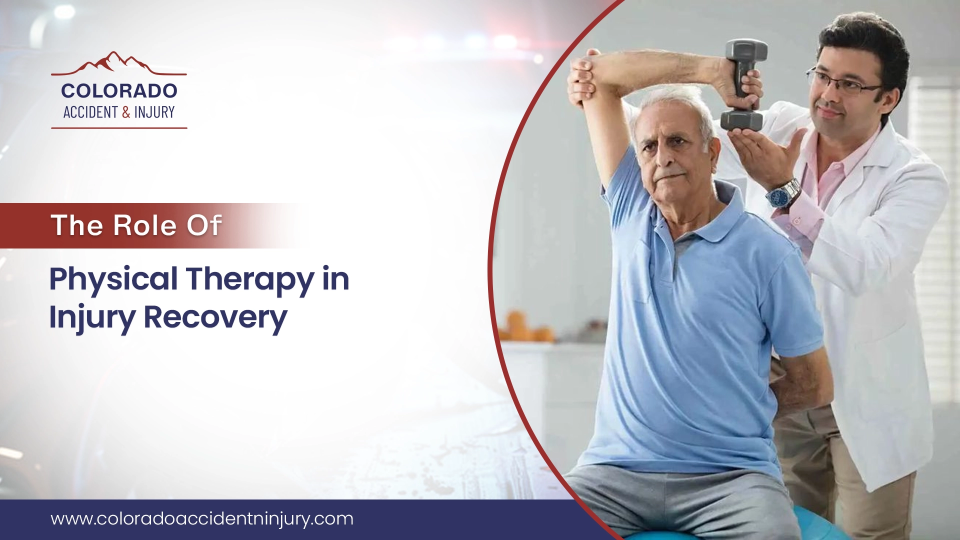
Physical therapy is a hands-on, exercise-based approach to rehabilitation. Your therapist assesses your injury, movement patterns, and goals — then builds a plan that’s specific to you, not a generic protocol pulled off a shelf.
Common conditions treated with physical therapy include:
- Whiplash and neck injuries from car accidents
- Back pain and spinal strain
- Shoulder, knee, and hip injuries
- Sprains and ligament damage
- Post-surgical rehabilitation
- Chronic pain tied to past trauma
The goal isn’t just to reduce pain in the short term, it’s to correct the underlying dysfunction so you don’t end up back at square one six months later.
Key benefits of physical therapy for injury recovery
1. Restoring mobility and range of motion
After an injury, everyday movements — walking, turning your head, reaching overhead — can feel limited or painful. Physical therapy uses targeted joint mobilization, stretching, and guided movement to gradually restore your range of motion and help your body move the way it’s designed to.
2. Building strength where it matters most
Injuries often leave surrounding muscles weak and uncoordinated. Without rebuilding that strength, you’re much more likely to re-injure yourself or develop chronic compensatory pain. A good physical therapy program includes:
- Targeted strengthening exercises for the affected area
- Core stabilization training
- Balance and coordination work
- Progressive resistance to build endurance over time
3. Managing pain without leaning on medication
Pain management doesn’t have to mean prescription bottles. Physical therapy offers a range of non-invasive techniques to reduce inflammation and relieve muscle tension, including manual therapy, therapeutic stretching, heat/cold therapy, electrical stimulation, and postural correction. For many patients, these approaches lead to meaningful, lasting relief.
4. Speeding up healing — the right way
When tissues heal without proper guidance, they don’t always heal well. Poor movement patterns during recovery can create compensations that slow things down or create new injury sites. Physical therapy improves circulation to damaged areas, encourages healthy tissue regeneration, and ensures your body is moving correctly throughout the process.
5. Preventing long-term complications
Ignoring an injury — or treating it only partially — is one of the most common reasons people end up with chronic pain years later. Consistent rehab minimizes scar tissue buildup, preserves joint flexibility, and significantly reduces the chance of re-injury. Think of it as investing in your future mobility.
6. Rebuilding your confidence
Injuries don’t just affect the body, they affect your relationship with it. Many patients become hesitant to move normally, afraid of triggering pain or causing more damage. Physical therapy provides a structured, progressive environment where you can rebuild trust in your body, one session at a time.
Physical therapy works best as part of a bigger picture
At Colorado Accident & Injury, physical therapy doesn’t exist in a vacuum. We take a collaborative, comprehensive approach to care — meaning your physical therapist communicates with our medical team, chiropractors, and other providers to ensure your treatment plan reflects the full picture of your recovery.
This kind of coordinated care means your plan adapts as you improve, addresses multiple aspects of your healing at once, and keeps everyone aligned on your goals.
How to get the most out of your therapy
Your outcomes are directly tied to your involvement in the process. Patients who commit to their rehab consistently get better results. A few things that make a real difference:
- Showing up to every scheduled session
- Doing your prescribed home exercises — even when you’re busy
- Communicating openly with your therapist about what’s working and what isn’t
- Prioritizing sleep, hydration, and nutrition to support tissue healing
- Staying patient — recovery isn’t linear, but consistency pays off
Ready to start your recovery?
Physical therapy for injury recovery isn’t about pushing through pain, it’s about healing smarter. With the right guidance, you can restore your strength, regain your movement, and get back to doing what you love without fear of setbacks.
If you’re still dealing with pain, stiffness, or limited function after an injury, don’t wait it out. The sooner you start structured rehabilitation, the better your long-term outcomes.
Our team at Colorado Accident & Injury is ready to build a recovery plan tailored to you.