Types of Car Accidents and How to Avoid Them: A Comprehensive Safety Guide
Road traffic accidents are not uniform; they vary significantly in their mechanics, the forces they exert on the body, and the injuries they leave behind. Beyond the physical trauma, victims often face a suite of “invisible” injuries, including sleep disturbances, emotional distress, anger, and weight fluctuations. According to research by the National Highway Traffic Safety Administration (NHTSA), a car accident occurs at least once every minute in the United States.
At Colorado Accident & Injury, our multidisciplinary team helps patients navigate financial and legal challenges while providing the specialized medical care needed to restore function. Understanding the common types of car accidents and how to avoid them is your first line of defense in staying safe on the road.
The Anatomy of Common Collisions
Most road traffic incidents fall into three primary categories: angle collisions, rear-end impacts, and collisions with roadside objects. Each carries unique risks to your musculoskeletal system.
1. Angle Collisions (Side-Impact)
Angle accidents, often referred to as “T-bone” or side-impact collisions, typically occur at intersections, on highways, or in residential neighborhoods. These occur when one vehicle strikes another at an angle between 90 and 180 degrees.
- The Cause: Disregard for traffic signals, unexpected lane changes, or failure to yield.
- Prevention: Always observe your environment for a full three seconds before changing lanes. Stop completely at all “Stop” signs and red lights, and never assume another driver will yield the right-of-way.
- Clinical Impact: These often result in lateral whiplash and hip injuries, which frequently require Chiropractic Care to realign the pelvis and spine.
2. Rear-End Collisions
A rear-end collision occurs when a vehicle strikes the back of the one in front of it. These are the most common injury-causing crashes in the nation.
- The Cause: Unexpected braking by the lead driver or tailgating by the following driver.
- Prevention: Maintain a “safe following distance”—at least one car length for every 10 mph of speed. This gives you the necessary buffer to react to sudden stops.
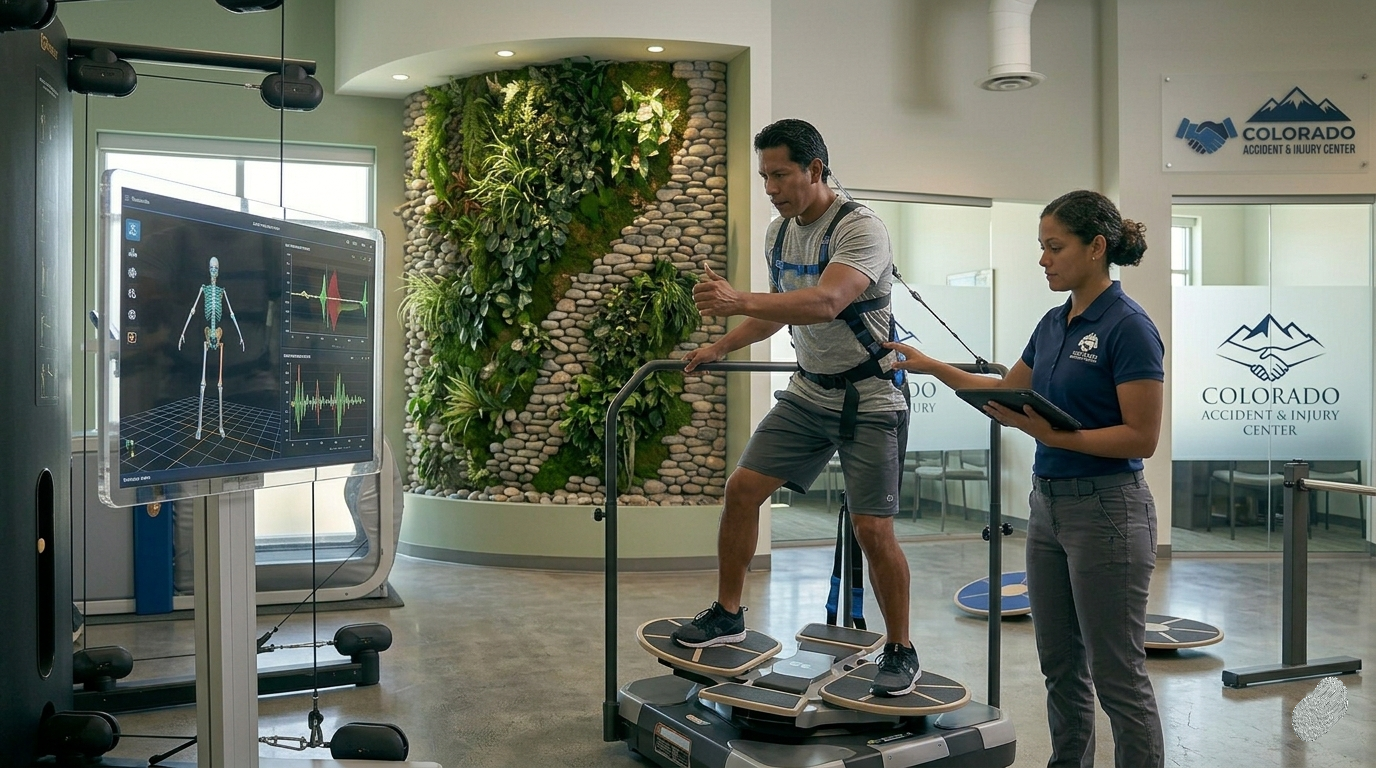
- Clinical Impact: Even low-speed rear-end impacts can cause significant cervical spine trauma. Our Best Physical Therapy Services are designed to help victims regain neck mobility and strength after such an event.
3. Collisions with Roadside Objects
Accidents do not always involve two drivers. Approximately 7% of all fatal accidents in the U.S. involve a single vehicle striking a fixed object like a tree, pole, or barrier.
- The Cause: Often, these occur when a driver is forced off the road by another reckless driver swerving into their path.
- Prevention: Adhere strictly to the legal speed limit. Lower speeds provide more time to maneuver safely if another vehicle enters your lane unexpectedly.
- Clinical Impact: The sudden stop against a stationary object transfers immense force to the internal organs and spine, often requiring long-term Medical Pain Management.
The Critical “First Steps” After an Impact
Immediately following a collision, your primary focus must be medical care—regardless of how you “feel.”
- The Hidden Injury Factor: Adrenaline often masks serious internal injuries or soft-tissue damage that may not manifest for days.
- The Timeline of Recovery: The less time that passes between the accident and your medical assessment, the higher your chances of a full, fast recovery.
- Specialized Expertise: A general practitioner may miss the nuances of accident-specific trauma. You need a car accident doctor trained in the specific bone, joint, and spine impairments resulting from vehicular force.
Your Recovery Team in Colorado Springs
At Colorado Accident & Injury, we have some of the best car accident doctors in Colorado Springs. We specialize in providing the physical therapy, pain management, and rehabilitation services necessary to overcome the physical and emotional hurdles of a crash.
Knowledge is Prevention, Care is Recovery Stay safe by understanding the road, and stay healthy by choosing the right medical partners.